On September 15 in Hanoi, Mr. Tran Tan Phuc, Chairman of the Board of Directors of Portcoast and Vice President of the Vietnam Association for Structural Engineering and Construction Technology (VASECT), attended the workshop “Vietnam Bridge Construction Technology – The Journey Towards Mastery and Development” and represented Portcoast in presenting a paper on digital transformation in bridge construction. The presentation introduced a seamless digital workflow—from existing-condition surveys using UAV-integrated LiDAR and 3D laser scanning; AI-assisted processing of point clouds and imagery; development of Building Information Modeling (BIM) in IFC 4.3 integrated with Geographic Information Systems (GIS); to maintaining a sensor- and IoT-enabled Digital Twin throughout the asset lifecycle. The goal is for every completed bridge to be handed over with a complete and accurate digital dataset, supporting effective asset management, quality inspection, operation, and maintenance.
On the morning of September 15, 2026, the scientific and technology seminar “Vietnam Bridge Construction Technology – Journey to Mastery and Development” was held in Hanoi in a hybrid in-person and online format. The event brought together government representatives, research institutes, universities, experts, scientists, engineers, consultants, contractors, enterprises and students in construction and architecture.
The seminar was jointly organized by the Vietnam Federation of Civil Engineering Associations, the Vietnam Bridge and Road Association, and the Vietnam Association of Structural Engineering and Construction Technology. Its purpose was to review technologies already applied to bridge construction in Vietnam, assess current capabilities and discuss the next stage of development.
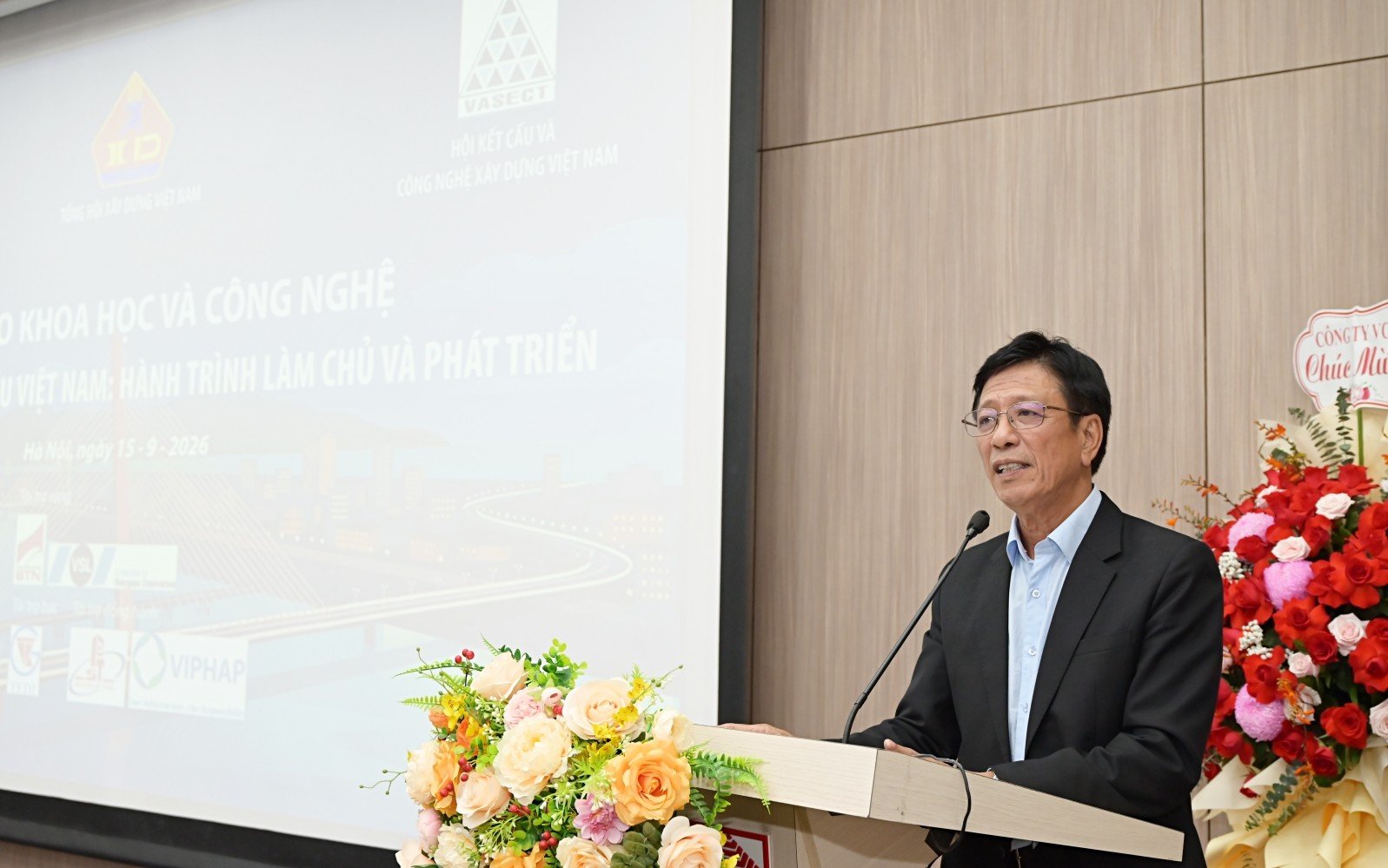
Image 01 from the scientific and technology seminar “Vietnam Bridge Construction Technology – Journey to Mastery and Development”.
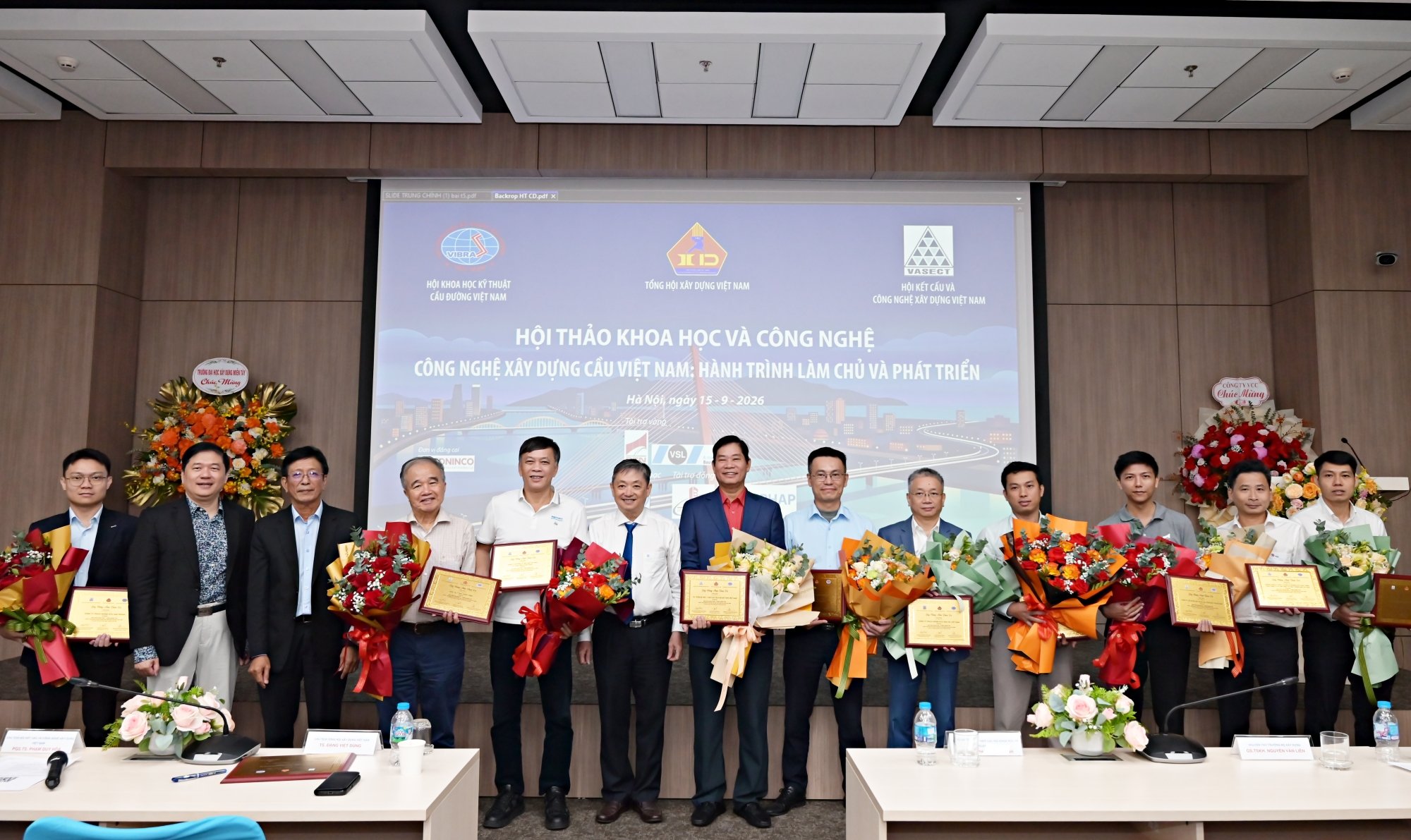
Image 02 from the scientific and technology seminar “Vietnam Bridge Construction Technology – Journey to Mastery and Development”.
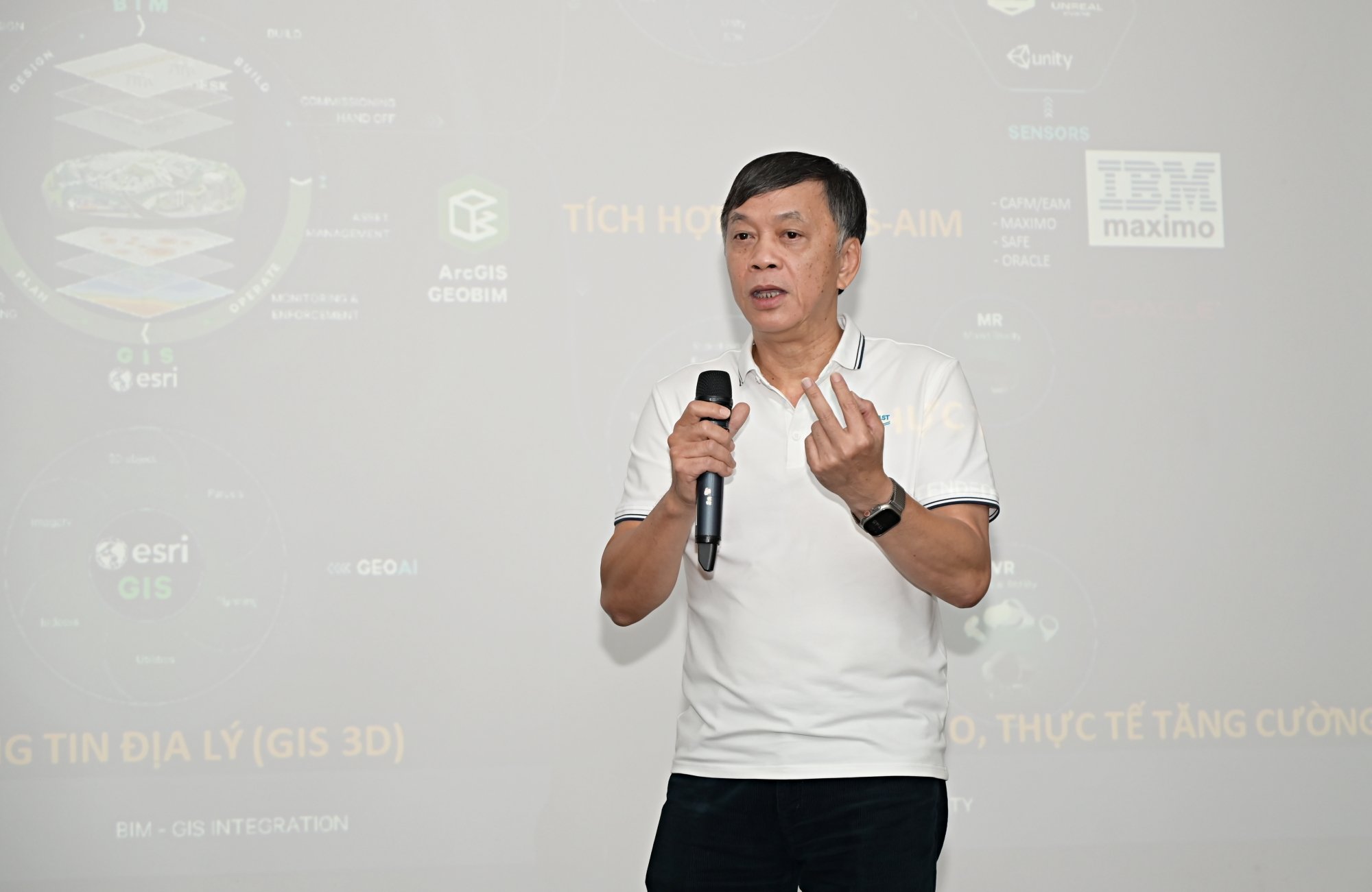
Image 03 from the scientific and technology seminar “Vietnam Bridge Construction Technology – Journey to Mastery and Development”.
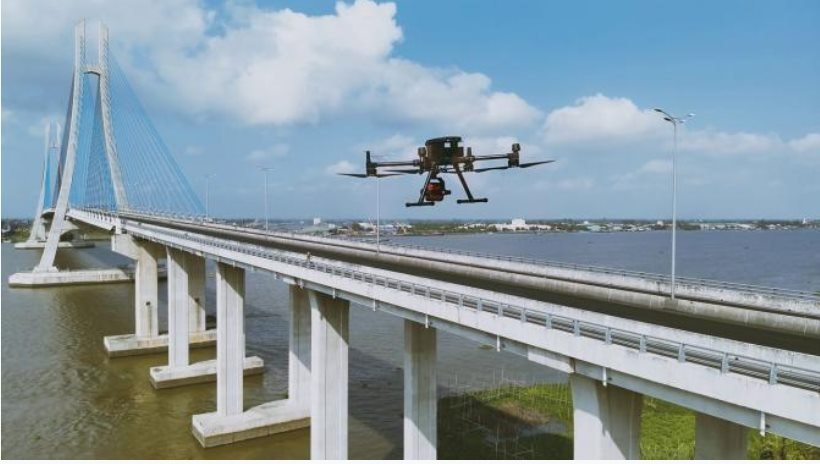
Image 04 from the scientific and technology seminar “Vietnam Bridge Construction Technology – Journey to Mastery and Development”.
A forum reviewing Vietnam's bridge-technology capabilities
Over recent decades, alongside the development of transport infrastructure, Vietnam's bridge sector has made substantial advances in surveying, design, construction, inspection, maintenance and operation. Domestic engineers, specialists and companies have strengthened their capabilities through research, major projects, and the transfer and localization of technologies from countries with advanced construction industries.
The sector has gradually moved from relying heavily on external technical assistance toward accumulating experience and directly delivering increasingly complex structures. This progression provides the foundation for moving from being able to apply technology, to mastering it, and ultimately toward innovation.
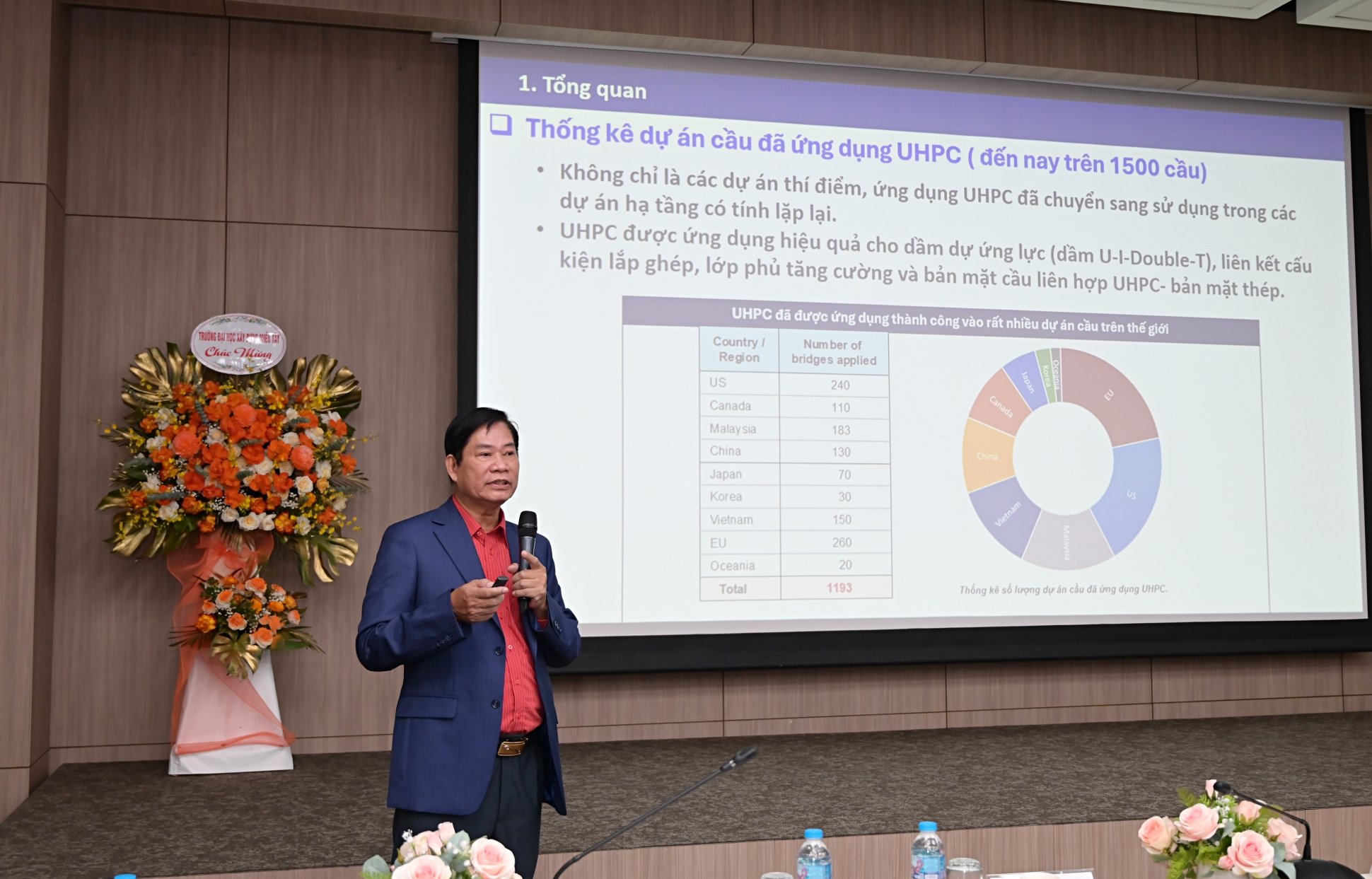
Image 05 from the scientific and technology seminar “Vietnam Bridge Construction Technology – Journey to Mastery and Development”.
Image 06 from the scientific and technology seminar “Vietnam Bridge Construction Technology – Journey to Mastery and Development”.
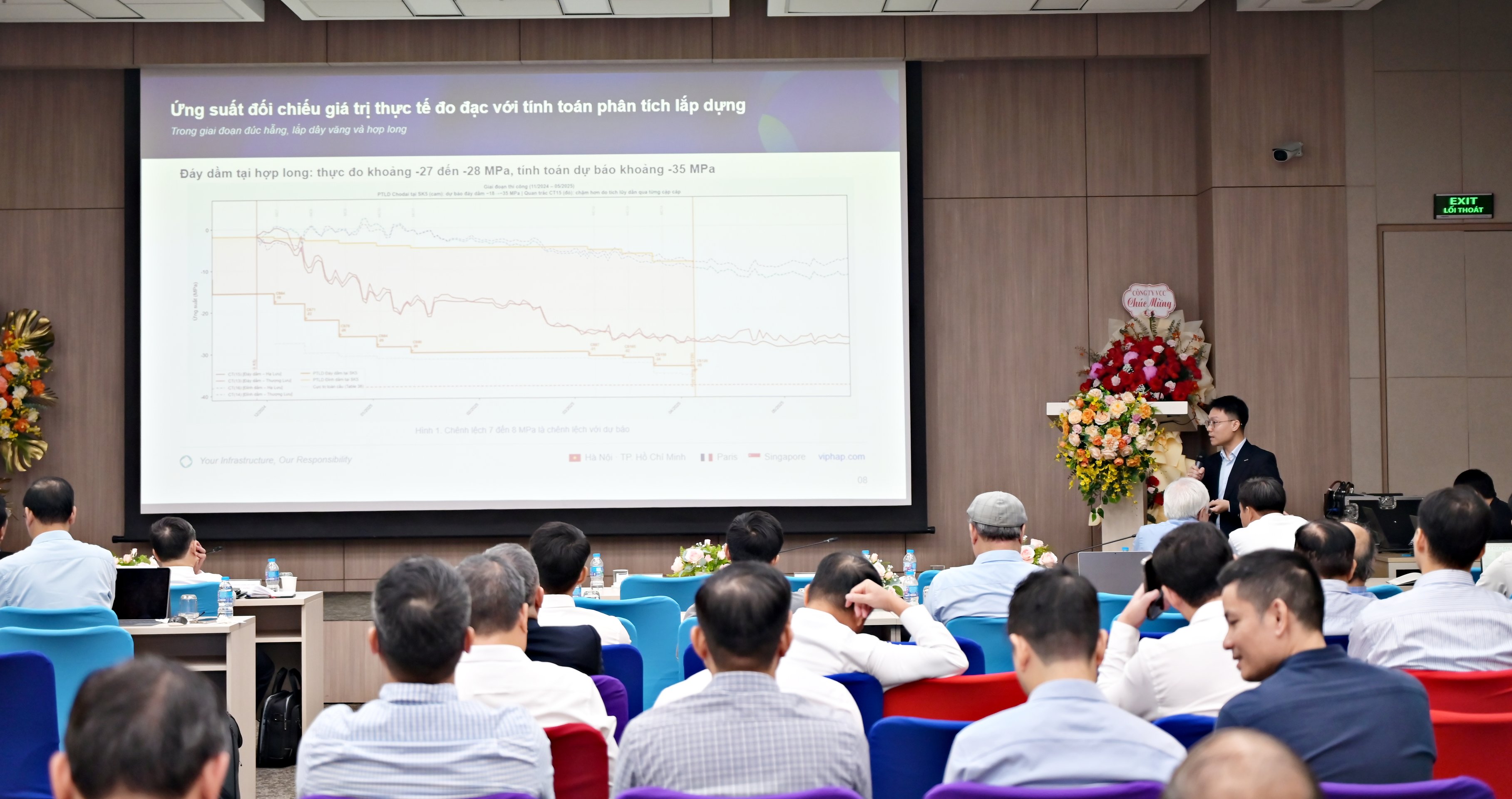
Image 07 from the scientific and technology seminar “Vietnam Bridge Construction Technology – Journey to Mastery and Development”.
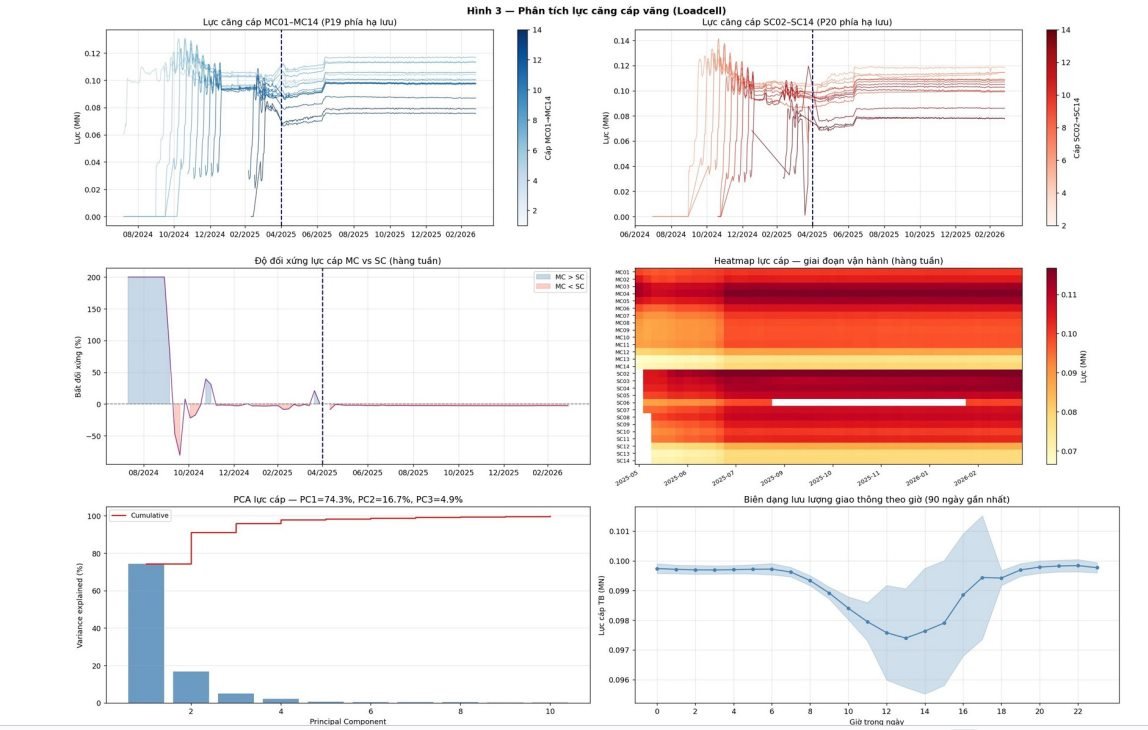
Image 08 from the scientific and technology seminar “Vietnam Bridge Construction Technology – Journey to Mastery and Development”.
From conventional engineering to digital technology
The seminar covered a broad range of technologies across the bridge lifecycle: bridge architecture and aesthetics; surveying, geotechnics and foundation design; structural design; new materials; advanced construction methods; and the design, fabrication, installation and maintenance of stay-cable and suspension systems.
For operation and maintenance, the program addressed Structural Health Monitoring (SHM), inspection, condition assessment, repair, strengthening, upgrading, asset management and bridge operation. BIM, artificial intelligence and other digital technologies were highlighted as increasingly important tools for improving design, construction, operation and maintenance efficiency.
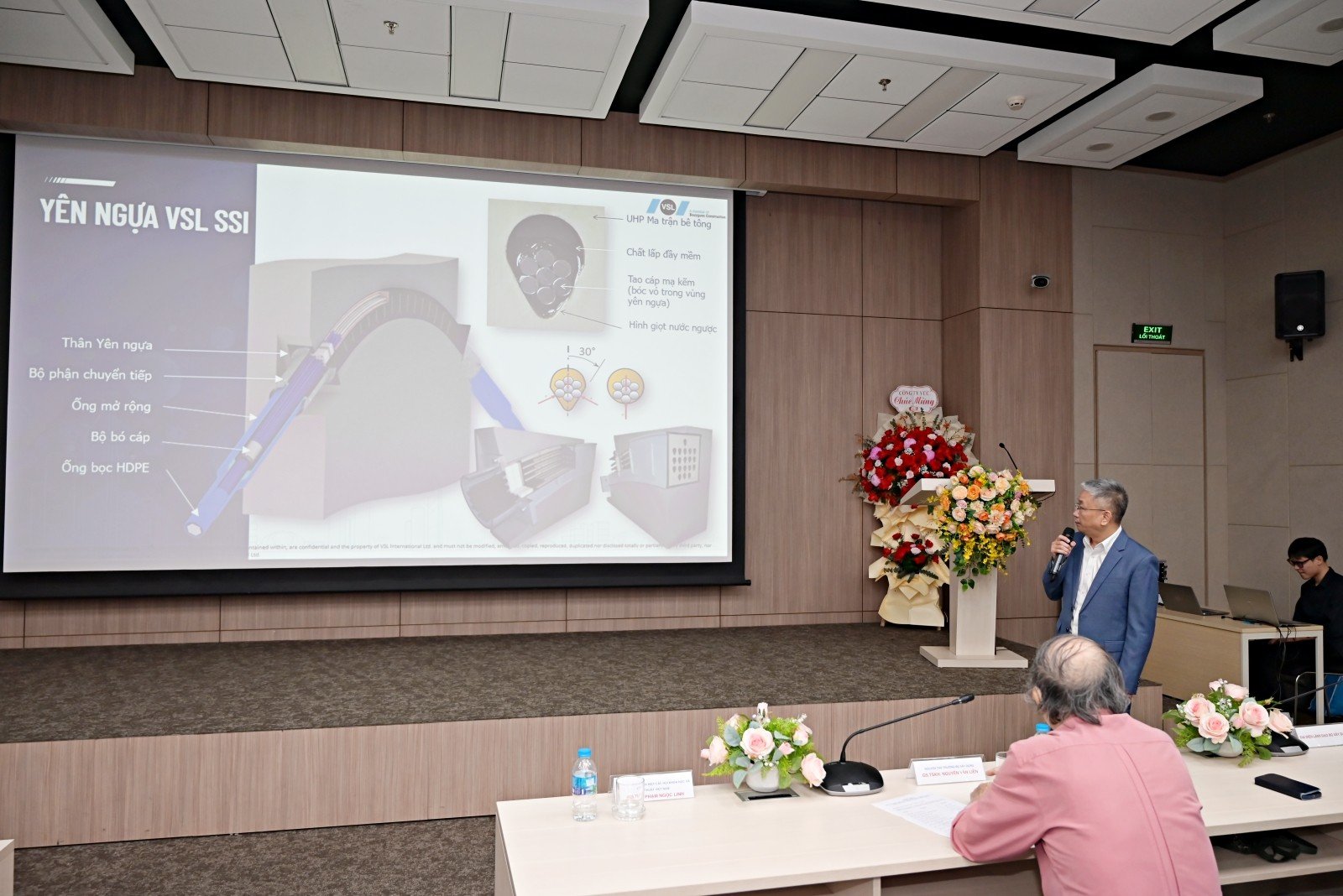
Image 09 from the scientific and technology seminar “Vietnam Bridge Construction Technology – Journey to Mastery and Development”.
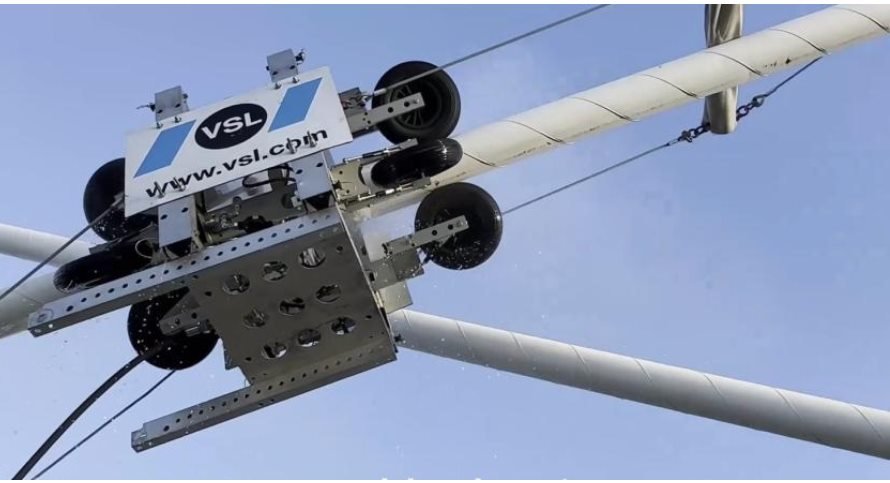
Image 10 from the scientific and technology seminar “Vietnam Bridge Construction Technology – Journey to Mastery and Development”.
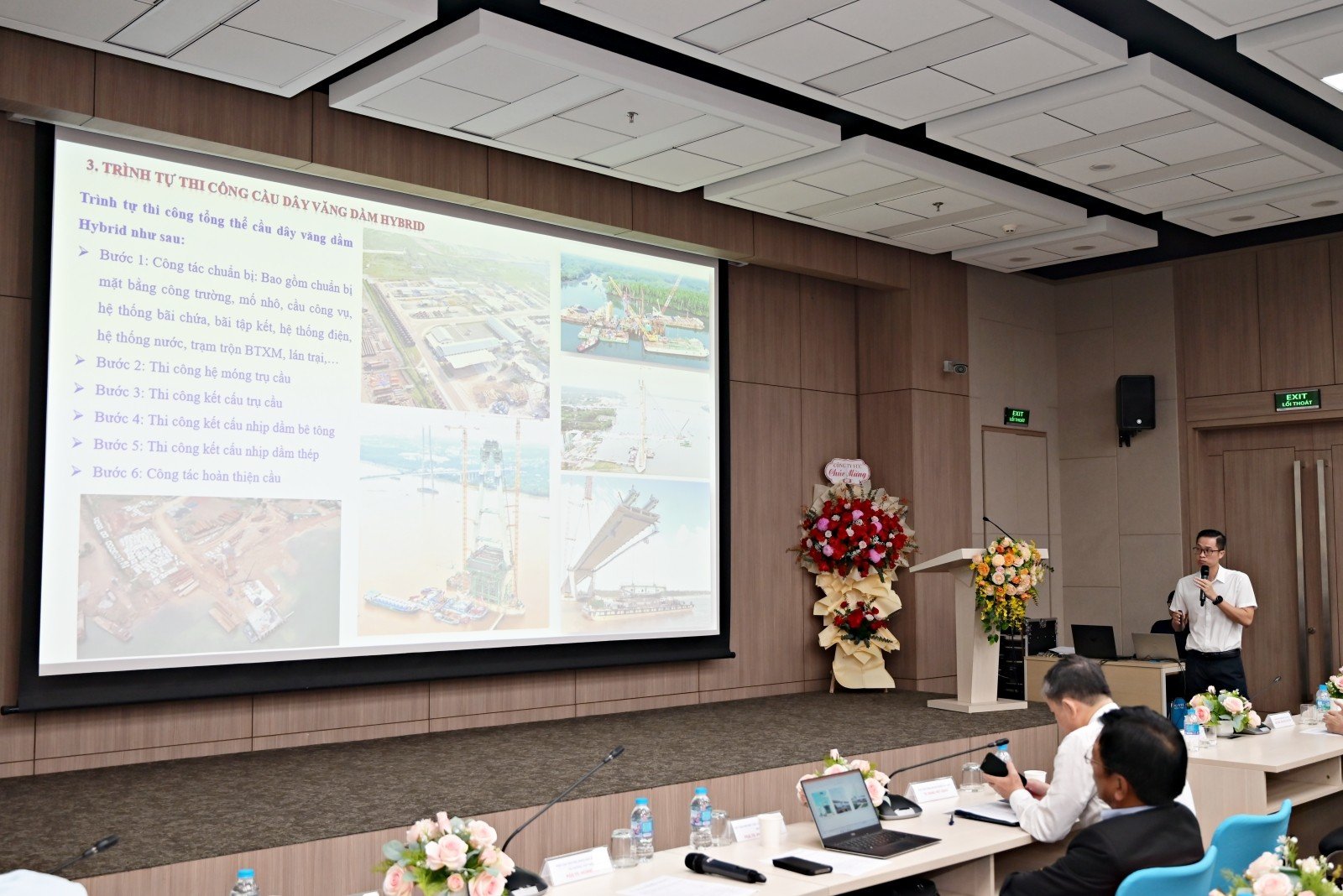
Image 11 from the scientific and technology seminar “Vietnam Bridge Construction Technology – Journey to Mastery and Development”.
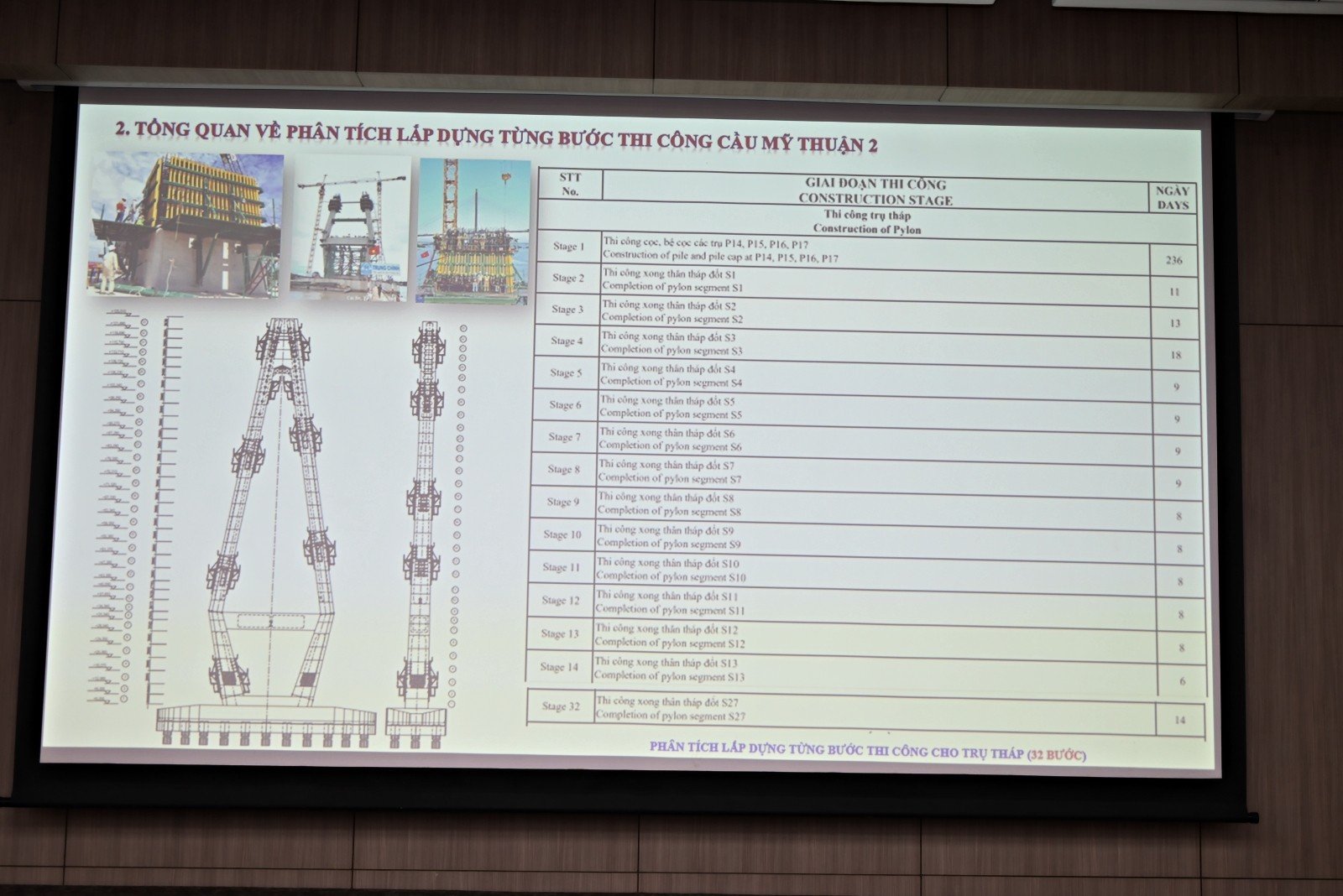
Image 12 from the scientific and technology seminar “Vietnam Bridge Construction Technology – Journey to Mastery and Development”.
Nine technical presentations outlining the bridge-technology landscape
The program featured nine specialized presentations covering the development of bridge technology, digital design, complex construction methods, advanced materials, monitoring, maintenance and digital transformation. The main topics included:
- History of bridge-construction technology in Vietnam: a review of major milestones and the development of domestic capabilities, presented at the opening by Assoc. Prof. Dr. Tong Tran Tung.
- BIM application in bridge design at TEDI: the transition from 3D modeling toward parametric design, automation and integrated data workflows.
- Large-diameter bored-pile technology: foundation solutions for large-scale bridges with demanding technical requirements.
- Structural and geometric control for network-hanger steel arch bridges: emphasizing precision during fabrication and construction.
- Construction technology for hybrid-girder cable-stayed bridges: experience in delivering complex structural systems using integrated material and construction solutions.
- Stay-cable installation and maintenance: technical requirements from installation through inspection and long-term maintenance.
- Structural Health Monitoring (SHM): sensor- and data-based monitoring to manage construction risk and assess long-span cable-stayed bridges throughout their lifecycle.
- Ultra-High-Performance Concrete (UHPC): research results, technology localization and future applications in bridge construction in Vietnam.
- Digital transformation in bridge construction: linking UAVs, 3D laser scanning, BIM, Digital Twins and AI Agents into a continuous data workflow from survey to operation.
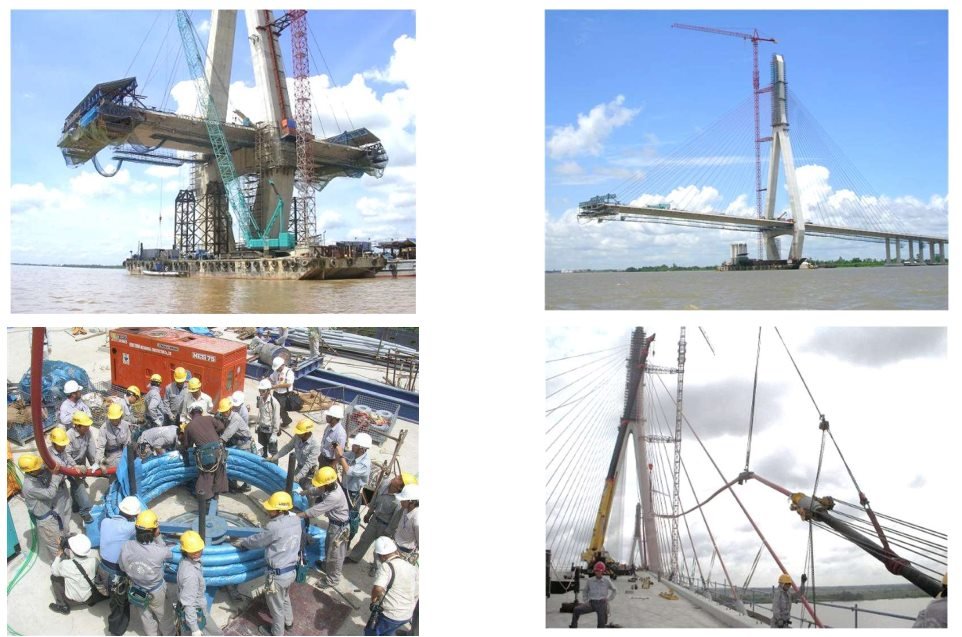
Image 13 from the scientific and technology seminar “Vietnam Bridge Construction Technology – Journey to Mastery and Development”.
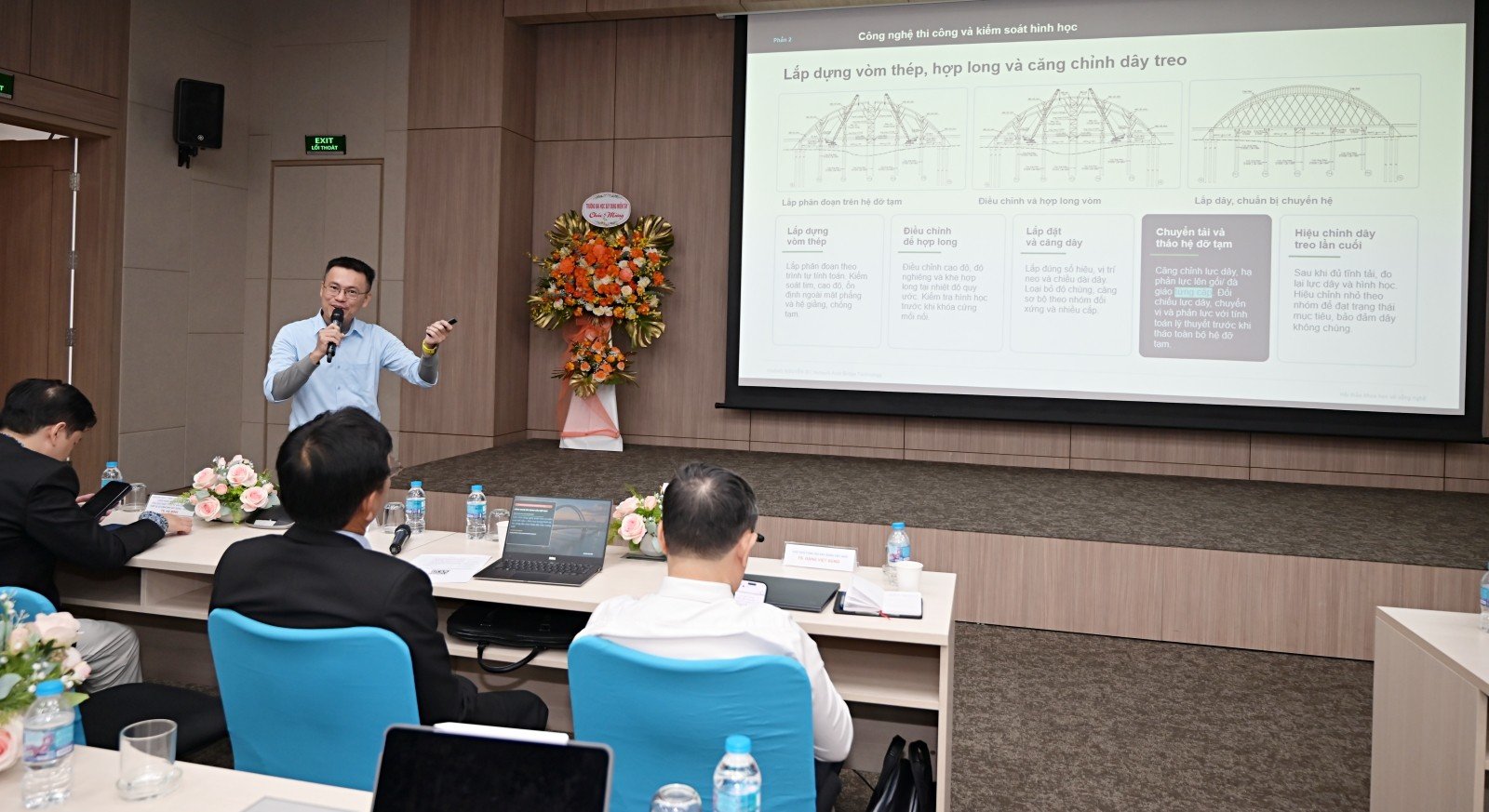
Image 14 from the scientific and technology seminar “Vietnam Bridge Construction Technology – Journey to Mastery and Development”.
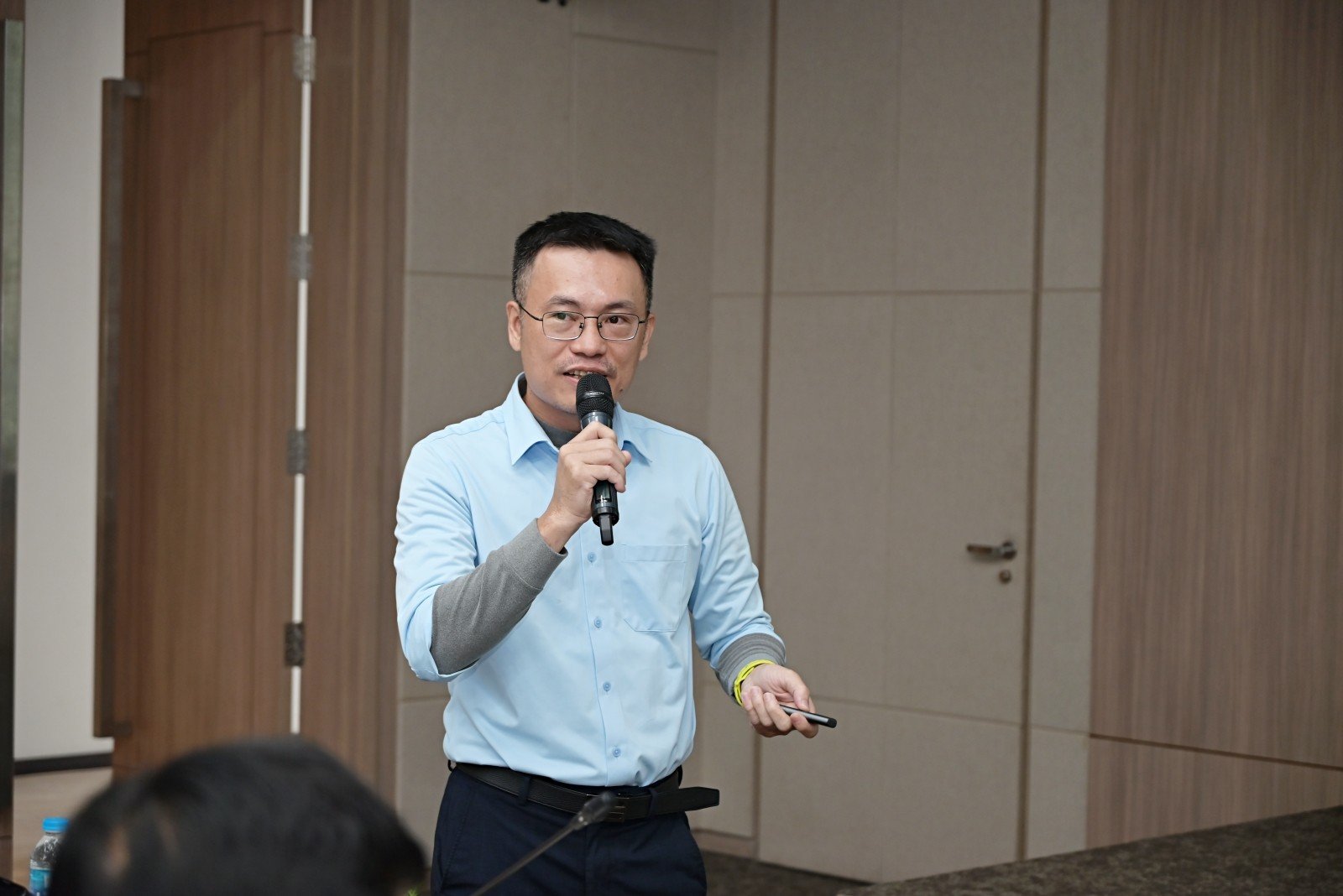
Image 15 from the scientific and technology seminar “Vietnam Bridge Construction Technology – Journey to Mastery and Development”.
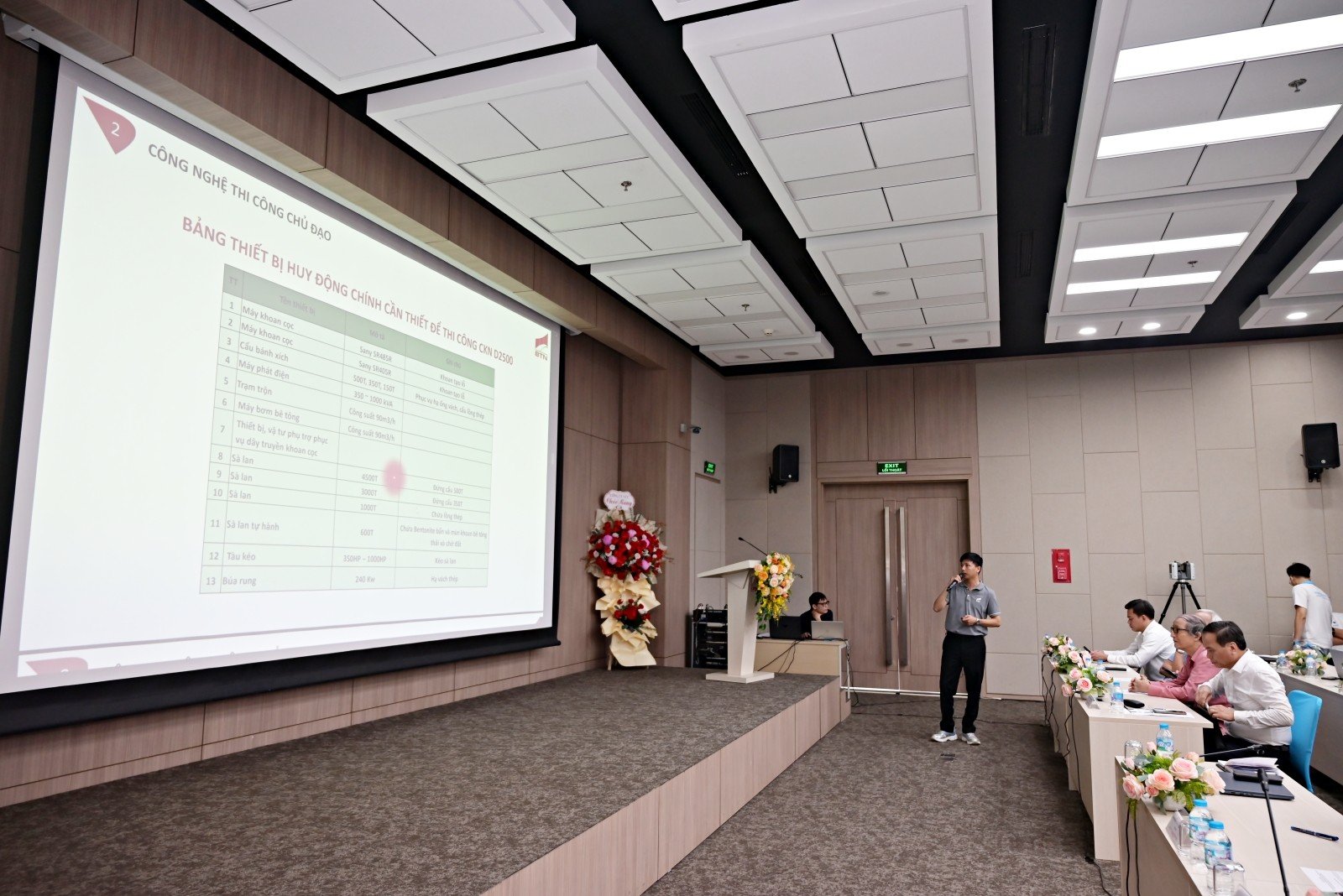
Image 16 from the scientific and technology seminar “Vietnam Bridge Construction Technology – Journey to Mastery and Development”.
Image 17 from the scientific and technology seminar “Vietnam Bridge Construction Technology – Journey to Mastery and Development”.
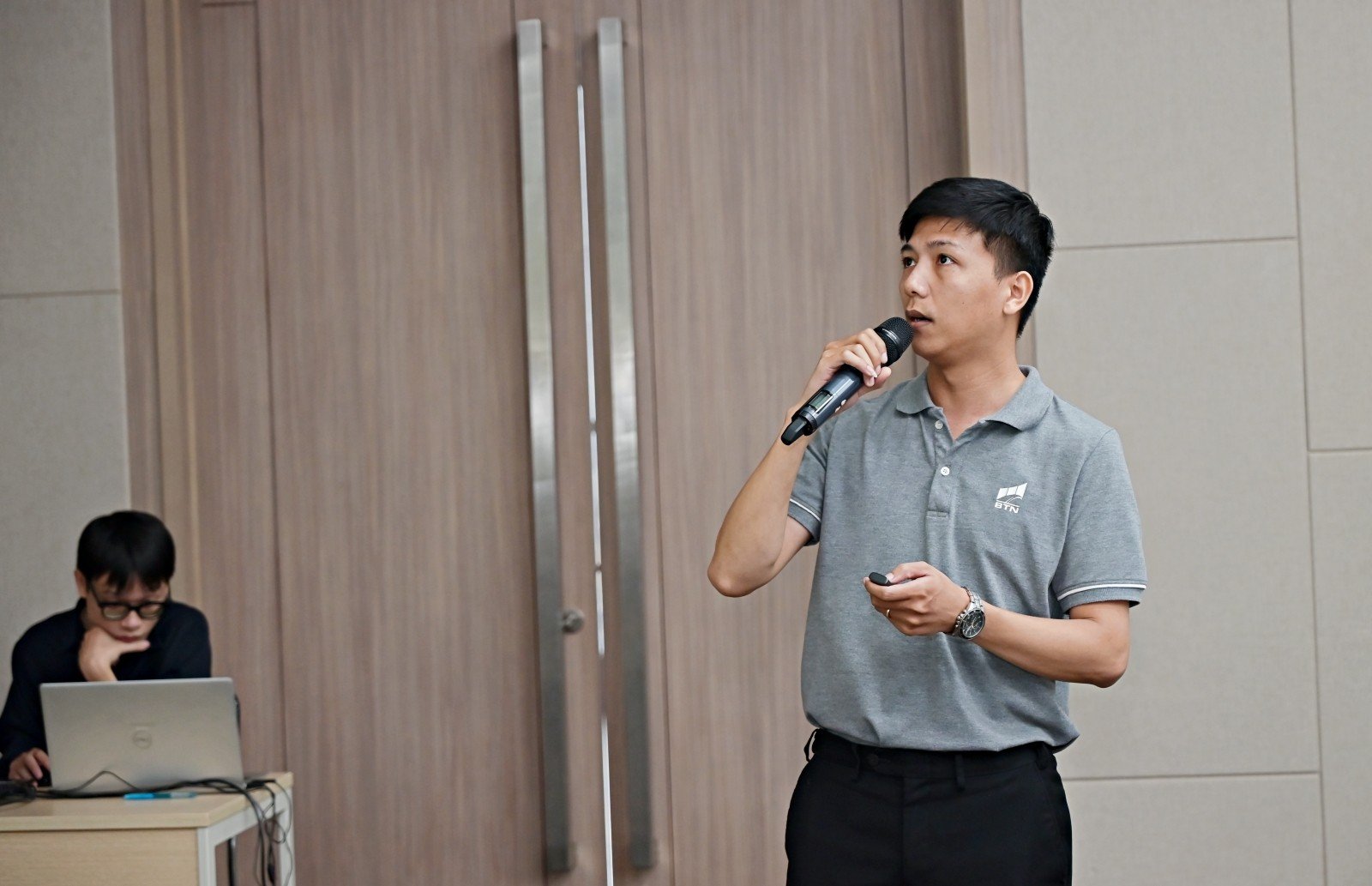
Image 18 from the scientific and technology seminar “Vietnam Bridge Construction Technology – Journey to Mastery and Development”.
Connecting research with real-world projects
A central theme of the seminar was the exchange of experience in mastering and transferring technology from major bridge projects in Vietnam. Bringing together regulators, researchers, universities, consultants, contractors and technology companies helps turn construction-site challenges into research questions and brings research results back into practical project delivery.
The approach also encourages project experience to be systematized into reusable knowledge, procedures, standards and data. The seminar highlighted the value of closer collaboration among government, science, education, consulting, construction enterprises and technology companies.
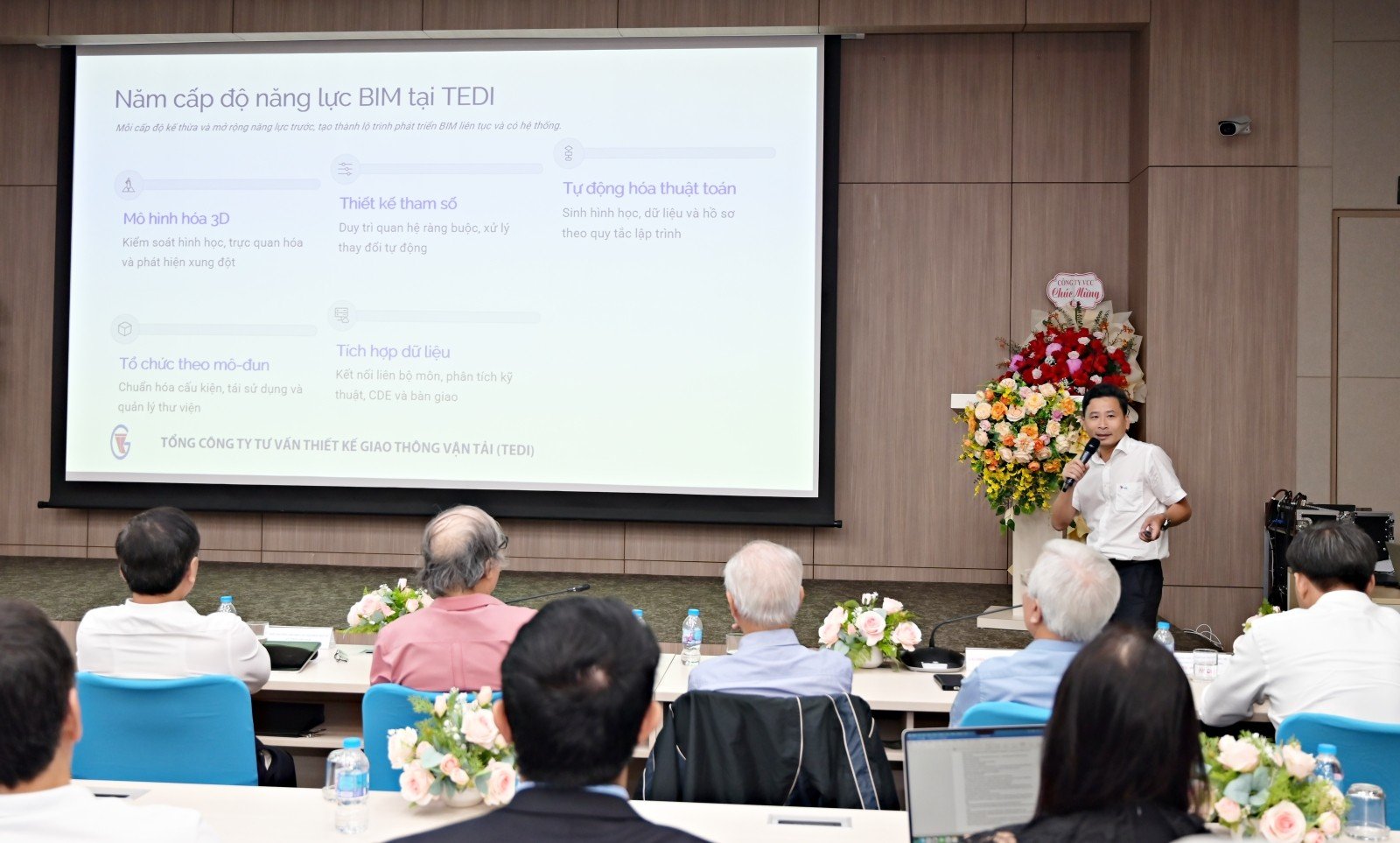
Image 19 from the scientific and technology seminar “Vietnam Bridge Construction Technology – Journey to Mastery and Development”.
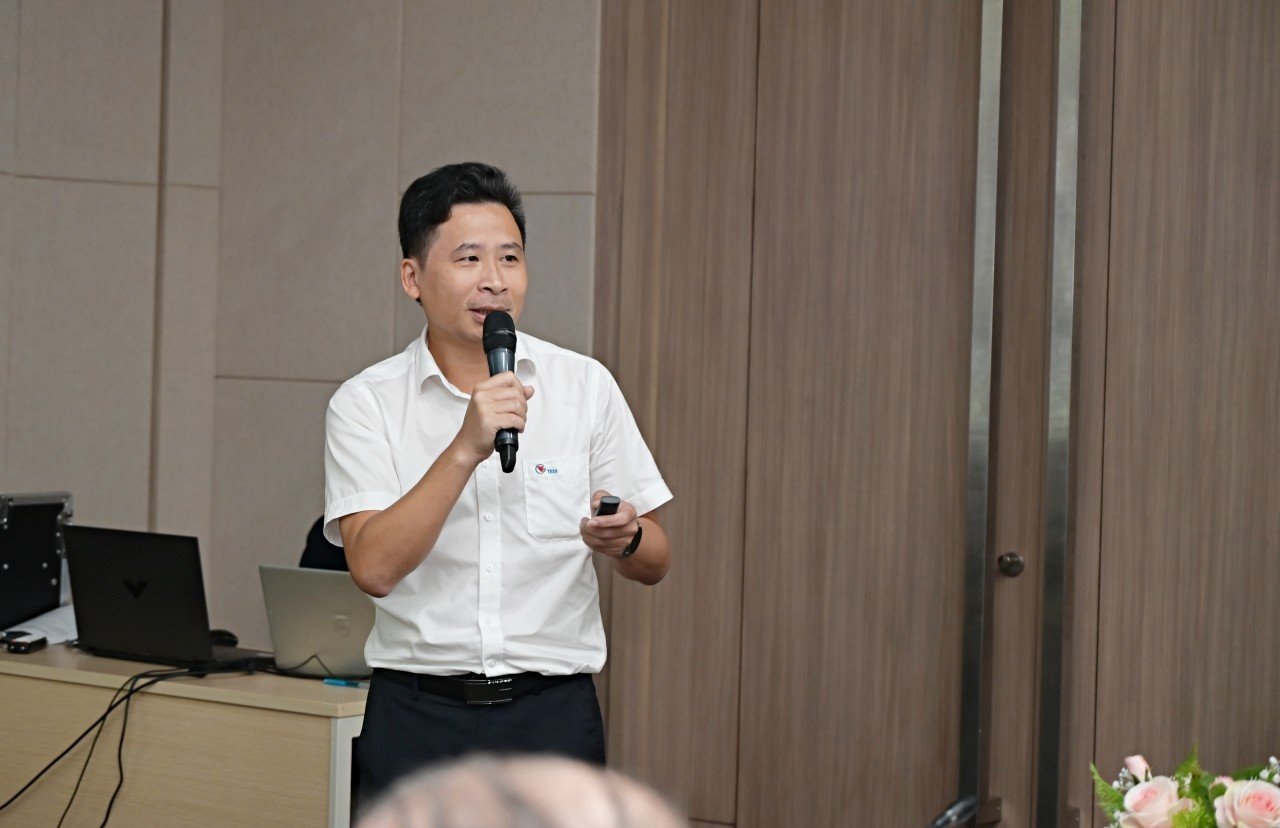
Image 20 from the scientific and technology seminar “Vietnam Bridge Construction Technology – Journey to Mastery and Development”.
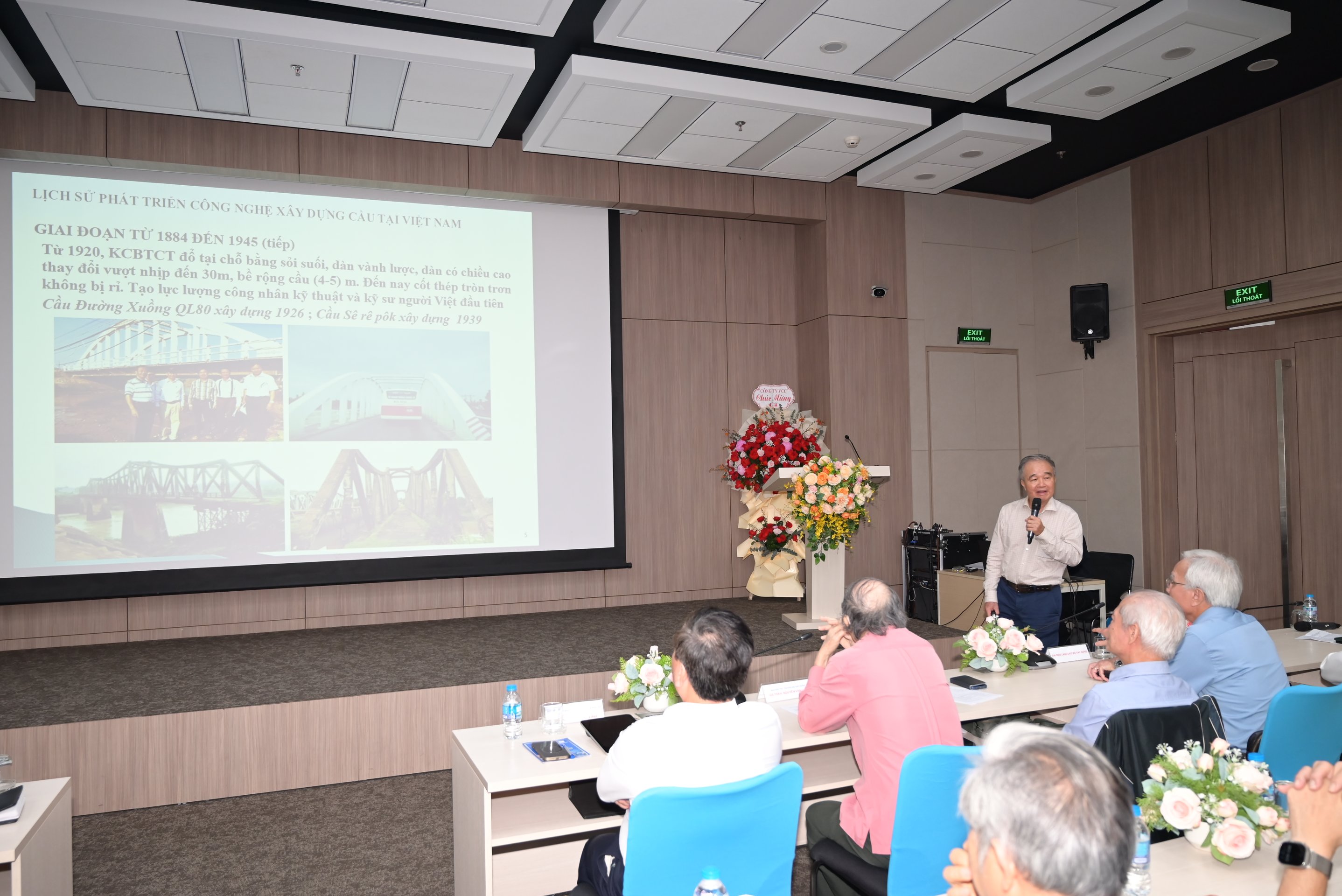
Image 21 from the scientific and technology seminar “Vietnam Bridge Construction Technology – Journey to Mastery and Development”.
Image 22 from the scientific and technology seminar “Vietnam Bridge Construction Technology – Journey to Mastery and Development”.
Portcoast shares a digital-transformation workflow for bridge construction
“Digital Transformation in Bridge Construction: From Existing-Condition Digitization Using UAVs and 3D Laser Scanning to Building Information Modeling, Digital Twins and AI Agents.”
Portcoast's presentation focused on an end-to-end digital workflow: capturing existing conditions with UAVs and 3D laser scanning; producing spatial data and point clouds; organizing and coordinating information through BIM; carrying that data forward into a Digital Twin; and using AI and AI Agents to support information retrieval, analysis and decision-making.
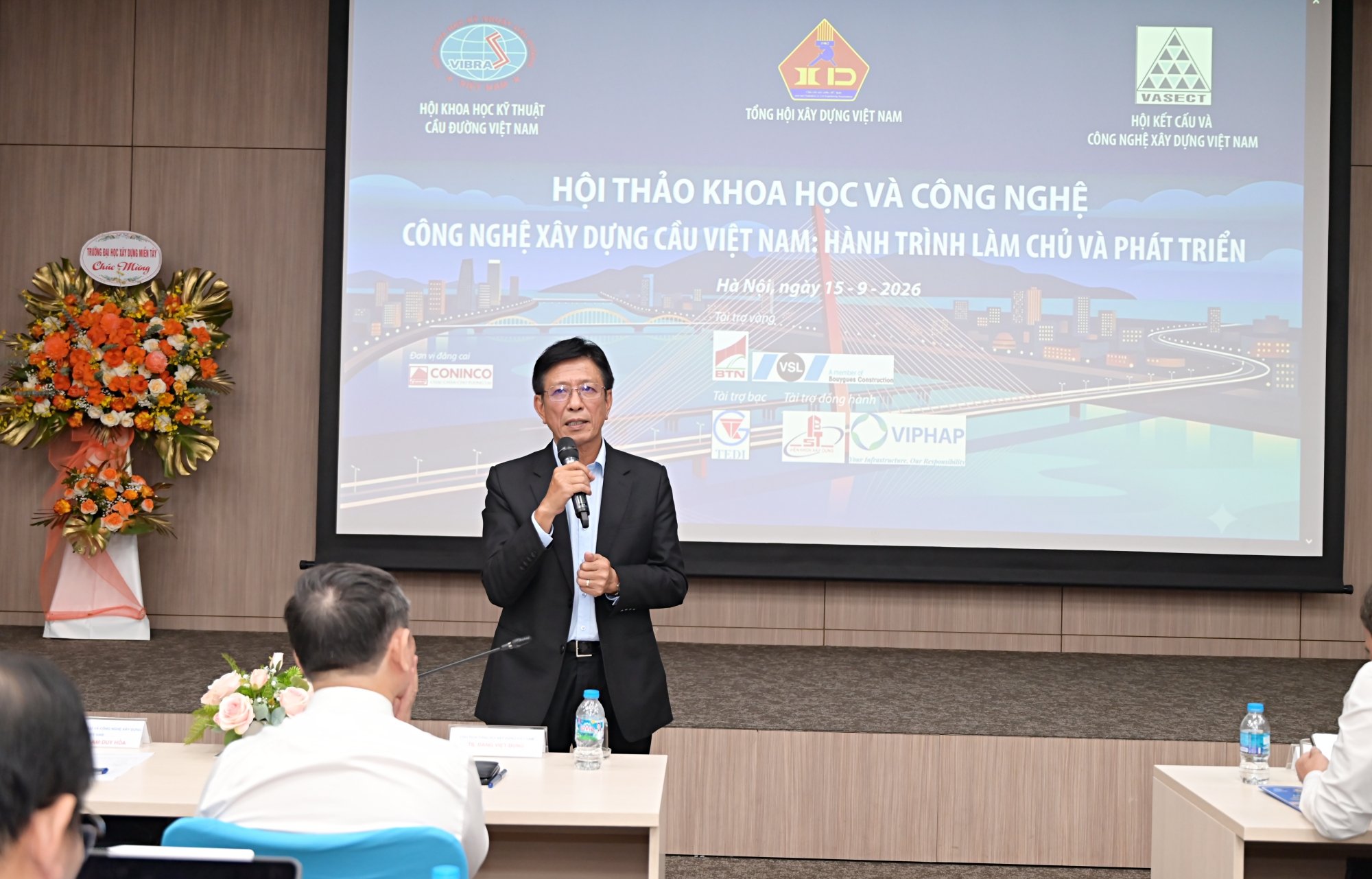
Image 23 from the scientific and technology seminar “Vietnam Bridge Construction Technology – Journey to Mastery and Development”.
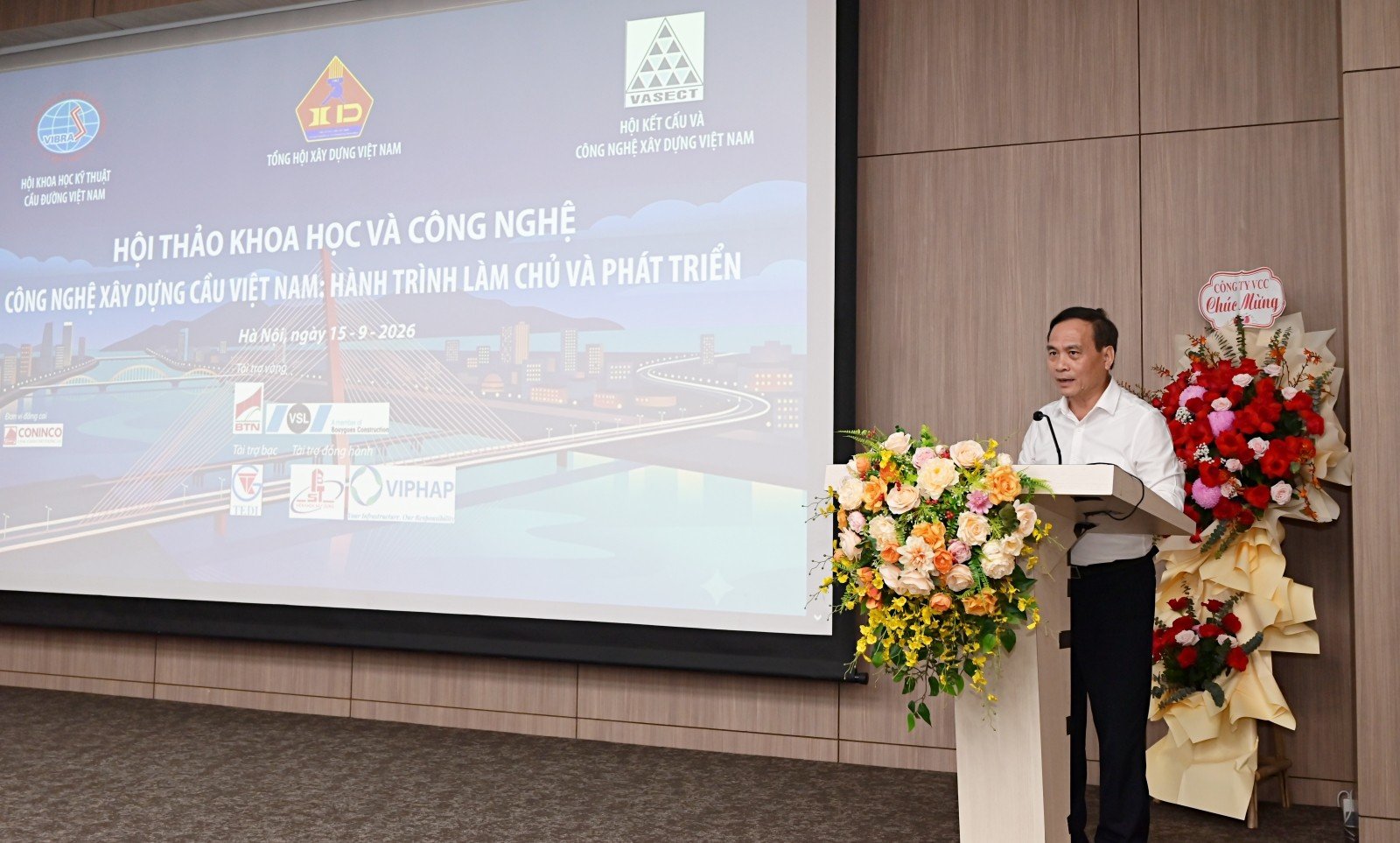
Image 24 from the scientific and technology seminar “Vietnam Bridge Construction Technology – Journey to Mastery and Development”.
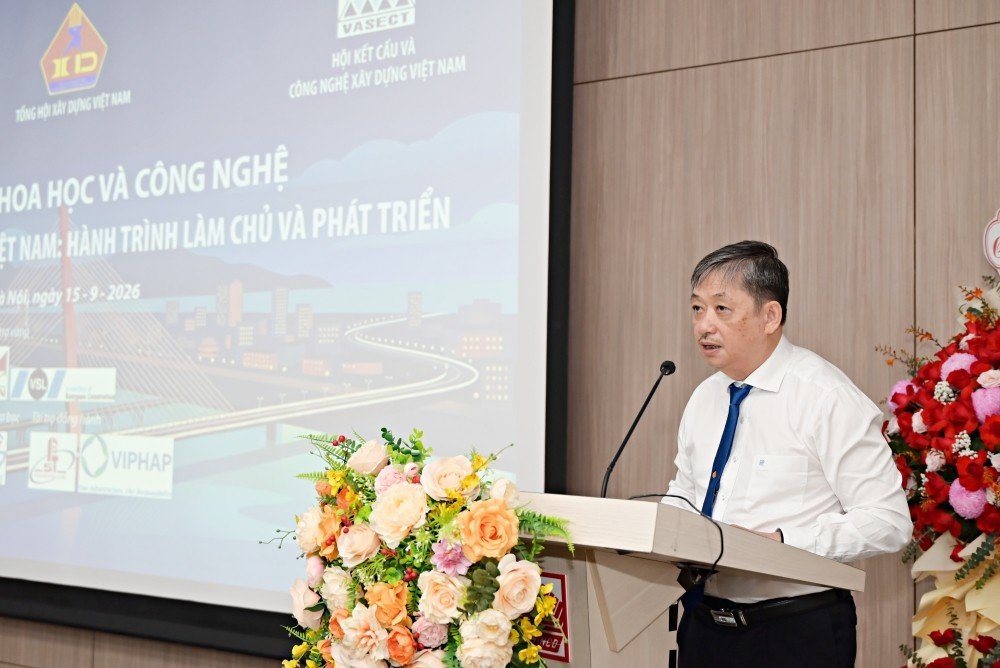
Image 25 from the scientific and technology seminar “Vietnam Bridge Construction Technology – Journey to Mastery and Development”.
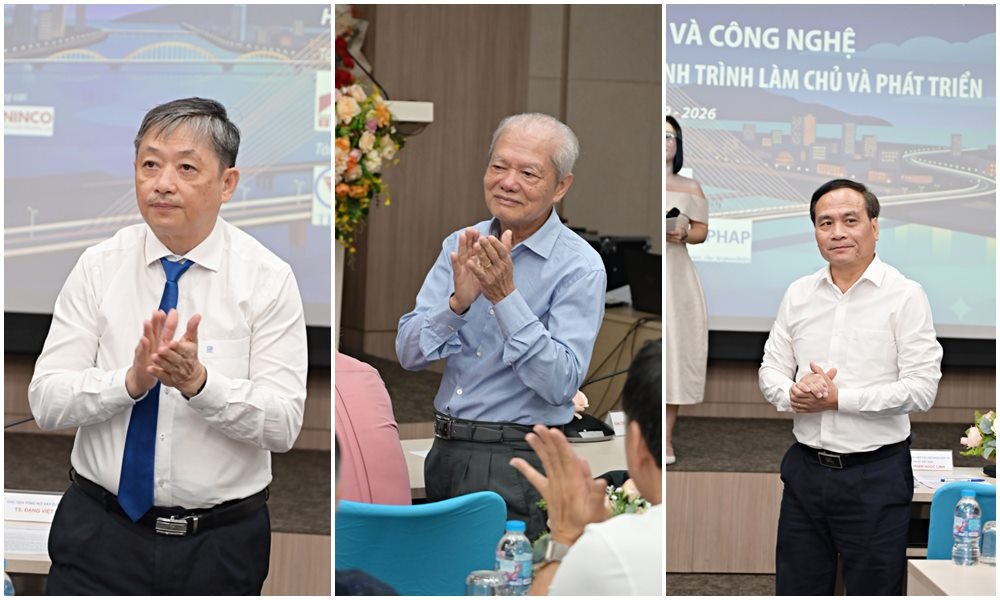
Image 26 from the scientific and technology seminar “Vietnam Bridge Construction Technology – Journey to Mastery and Development”.
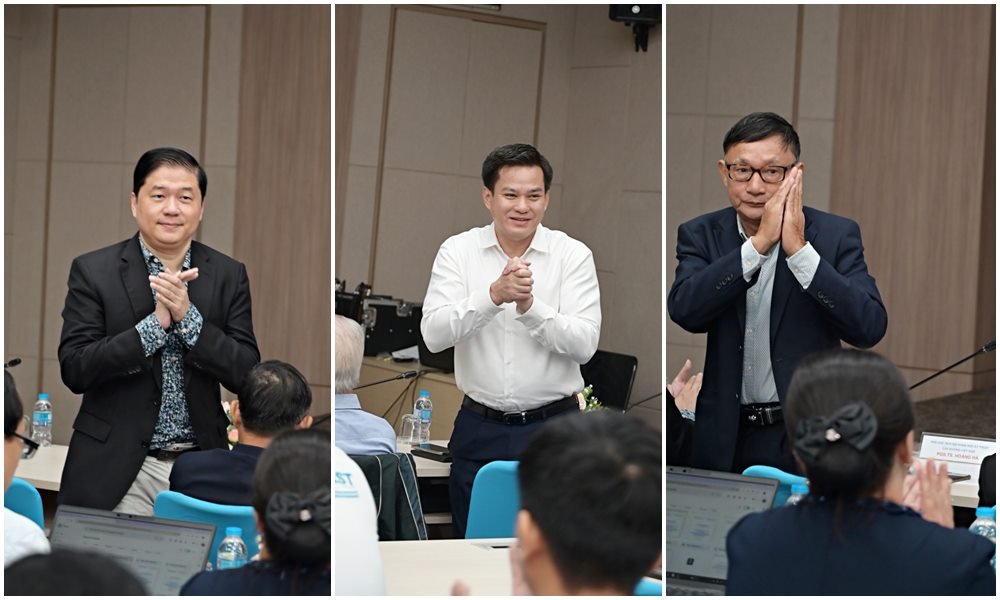
Image 27 from the scientific and technology seminar “Vietnam Bridge Construction Technology – Journey to Mastery and Development”.
From technology mastery toward innovation and leadership
The seminar's broader message was that mastering technology is not the final destination. The next stage requires the bridge sector not only to select, receive and apply technologies effectively, but also to improve them, develop solutions internally, accumulate data and experience, contribute to standards and create new technological value.
The event therefore looked beyond past achievements and emphasized stronger research, application and innovation capabilities. Technical papers with strong scientific and practical value are intended for the seminar proceedings and the “Golden Book of Bridge Construction Technology 2026,” helping preserve and disseminate industry knowledge.
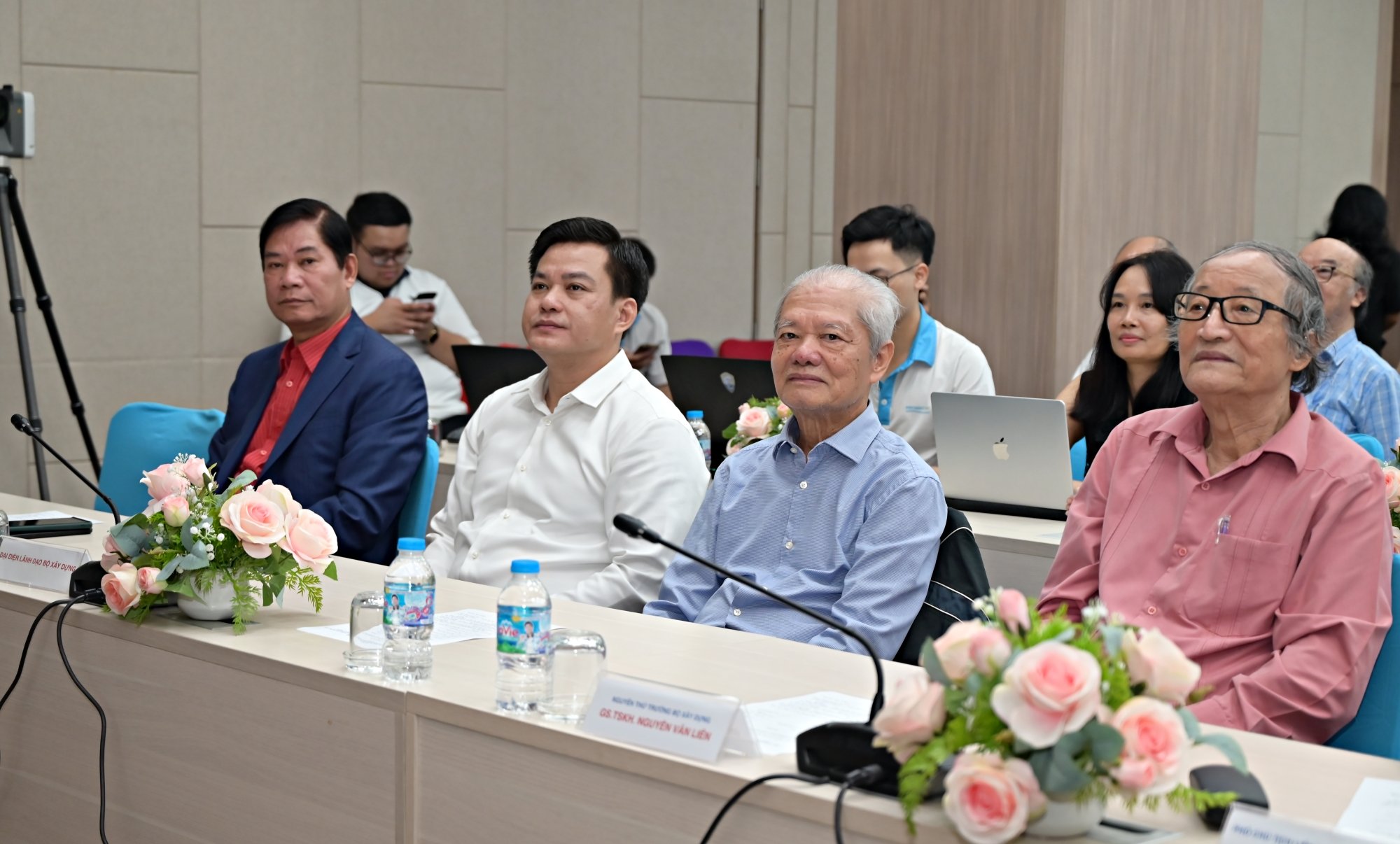
Image 28 from the scientific and technology seminar “Vietnam Bridge Construction Technology – Journey to Mastery and Development”.
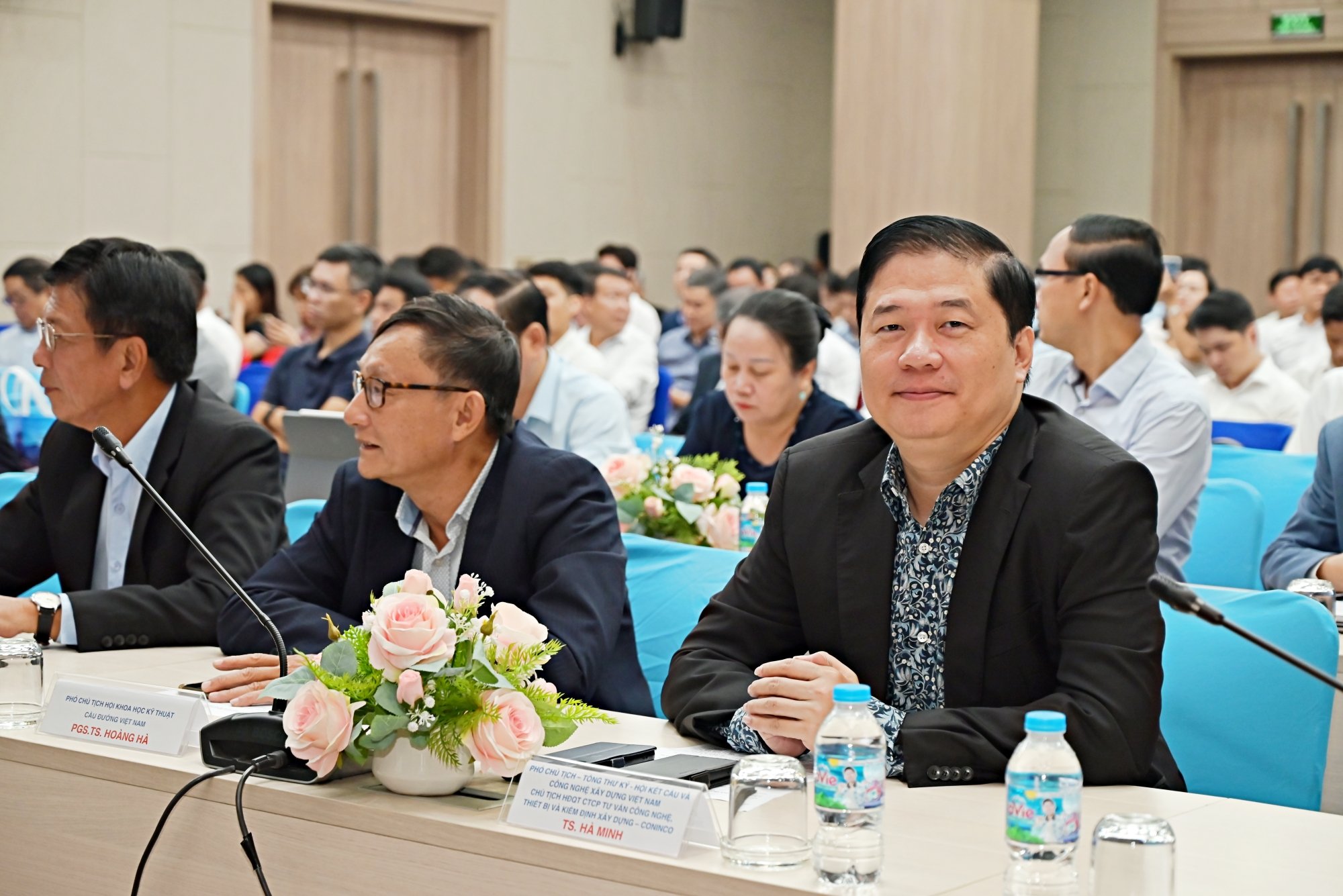
Image 29 from the scientific and technology seminar “Vietnam Bridge Construction Technology – Journey to Mastery and Development”.
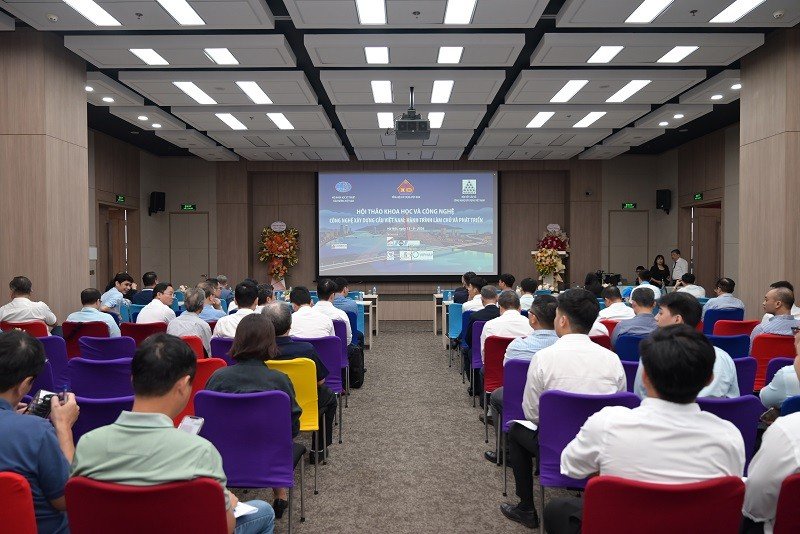
Image 30 from the scientific and technology seminar “Vietnam Bridge Construction Technology – Journey to Mastery and Development”.
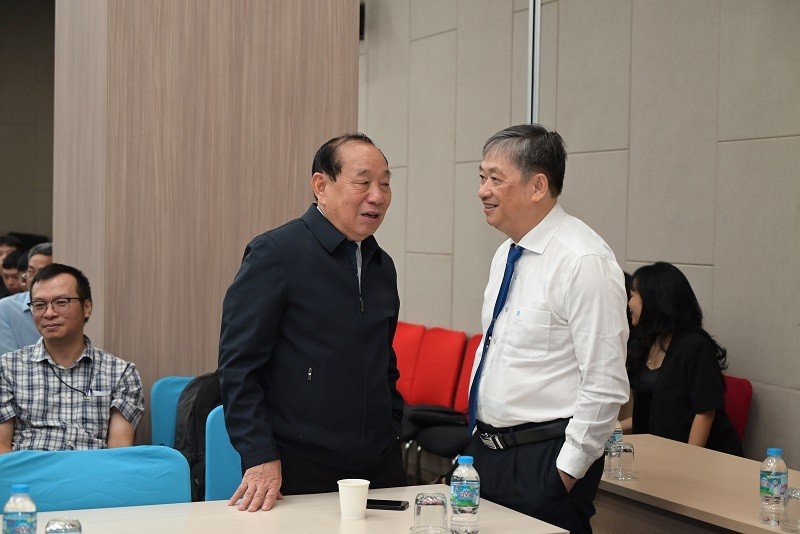
Image 31 from the scientific and technology seminar “Vietnam Bridge Construction Technology – Journey to Mastery and Development”.
From project data to lifecycle management
A common thread across the seminar was lifecycle management. Survey, design and construction data need to be standardized so they can continue to support inspection, monitoring, maintenance and asset management. When data is connected, BIM can evolve into a Digital Twin platform, while AI can help locate information, compare conditions and accelerate decision-making.
For Portcoast, the Reality Capture – BIM – Digital Twin – AI Agent workflow reflects an integrated approach to digital technology in transport infrastructure and aligns with the wider direction of Vietnam's bridge sector: deeper digitization, stronger technical control and more effective use of data throughout the asset lifecycle.
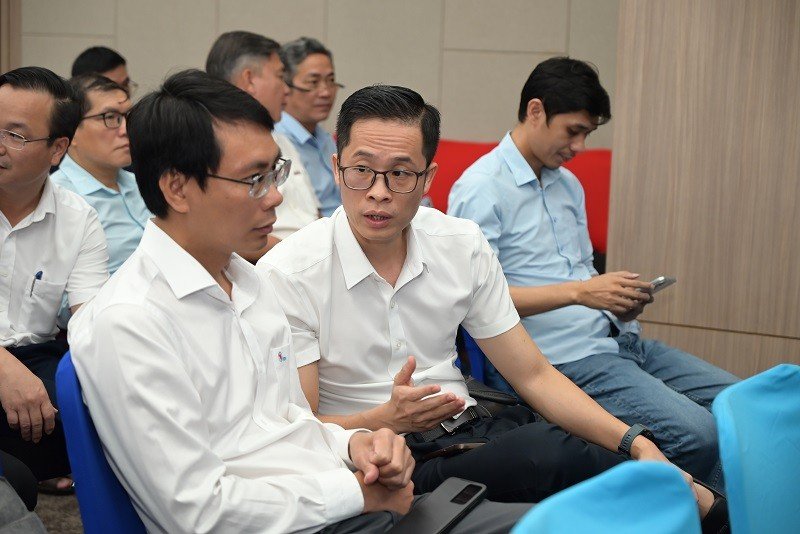
Image 32 from the scientific and technology seminar “Vietnam Bridge Construction Technology – Journey to Mastery and Development”.
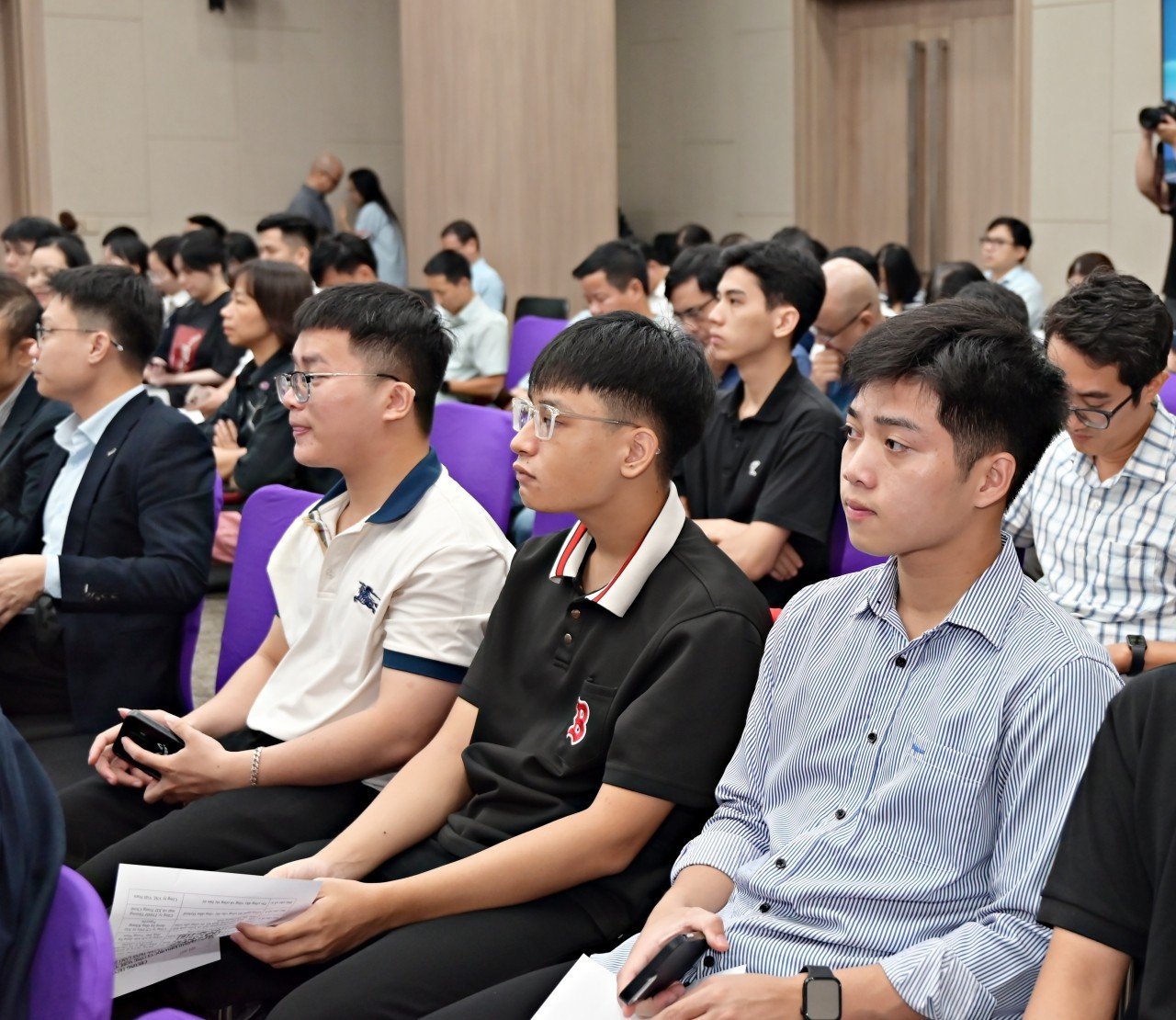
Image 33 from the scientific and technology seminar “Vietnam Bridge Construction Technology – Journey to Mastery and Development”.
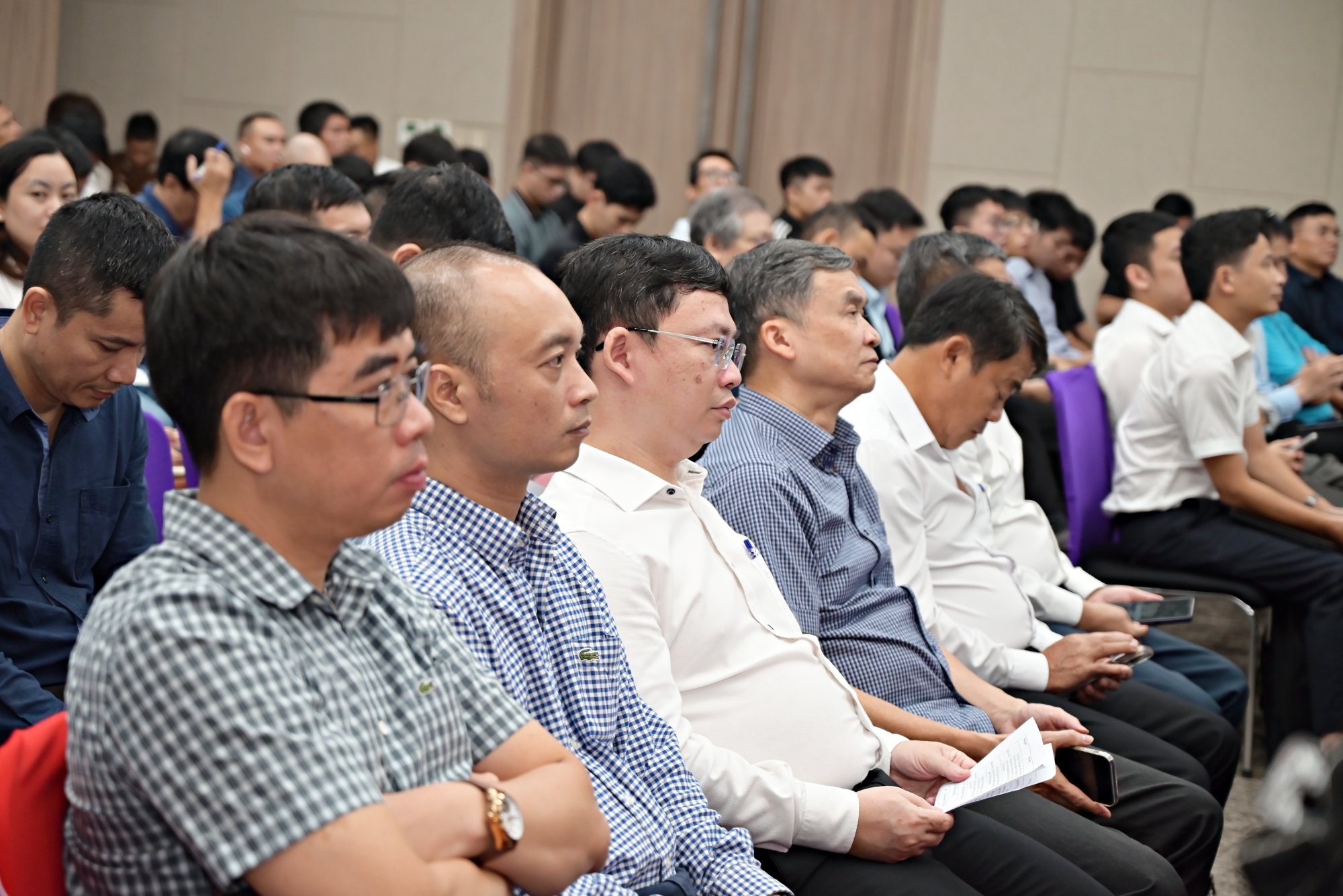
Image 34 from the scientific and technology seminar “Vietnam Bridge Construction Technology – Journey to Mastery and Development”.
Connecting the professional community and the next generation of engineers
The seminar created a platform for experienced specialists, researchers, enterprises and young engineers to exchange lessons, connect research with practical needs and share experience from bridge projects in Vietnam. It also gave students and early-career engineers direct exposure to technologies that are shaping the sector.
From foundations, structures, materials and monitoring to BIM, Digital Twins and AI, the program illustrated how Vietnam's bridge industry is continuing to expand its ability to master technology and move toward more modern, safe and data-driven methods of design, construction, operation and maintenance.
Reference source: Nguoi Xay Dung E-Magazine – “Vietnam Bridge Construction Technology – Journey to Mastery and Development” seminar. The content above has been edited, paraphrased and summarized for the Portcoast website structure rather than reproduced verbatim.
Source: Nguoi Xay Dung
Pageviews: 0