Portcoast and the Journey of Transforming Cai Mep from Mangroves into a World-Class Deep-Water Port Complex
At present, Cai Mep is a modern deep-water port complex, ranking 32nd in the world in terms of container throughput and 7th globally for operational efficiency. Few could imagine that just two decades ago, this vibrant area was nothing more than untouched melaleuca forests and pristine mangrove wetlands.
Part 1: The appeal of long-term vision and open policies
After national reunification, investment in port infrastructure was very low, mainly focusing on completing the legal framework and minimal maintenance. For many years after the 1990 Maritime Code took effect, the seaport system still struggled in a cycle of capital shortages, fragmented infrastructure, and a lack of connectivity.
During that period, major ports such as Hai Phong, Saigon, and Da Nang faced severe shortages of berths, warehouses, and cargo-handling equipment; the mechanization rate was only about 40%. Outdated infrastructure frequently caused congestion, and the time required to handle cargo and clear a 10,000 DWT vessel could stretch from 15 to 30 days… The turning point came only after the 2005 amendments, which opened the door to mobilizing international capital and encouraged the socialization of investment.
From pristine mangrove swamps...
At the Cai Mep–Thi Vai port cluster, ships come and go day and night, massive quay cranes stretch over the wharves, and convoys of trucks continuously move cargo through. An industry expert noted that this international port cluster fully embodies the advantages of “a resilient front line and a solid rear base” — modern port infrastructure linked with a dynamic industrial ecosystem in the south.
Few could imagine that just two decades ago, this vibrant area was nothing more than pristine melaleuca forests and untouched mangrove wetlands...

The Thi Vai River area in the 2000s.
Running parallel to National Highway 51, the Thi Vai–Cai Mep river benefits from a semi-diurnal tidal flow, great depth, and limited siltation. The Cai Mep estuary opens into the vast Ganh Rai Bay, sheltered by the Vung Tau and Can Gio peninsulas, allowing year-round port operations.
However, it was not until the early 1990s that this area began to be studied and planned for deep-water port development. Then, from around the 2000s, with support from the Government of Japan, the JICA research delegation worked with Portcoast Joint Stock Company (Portcoast) to build the foundation for developing the Cai Mep–Thi Vai port system.
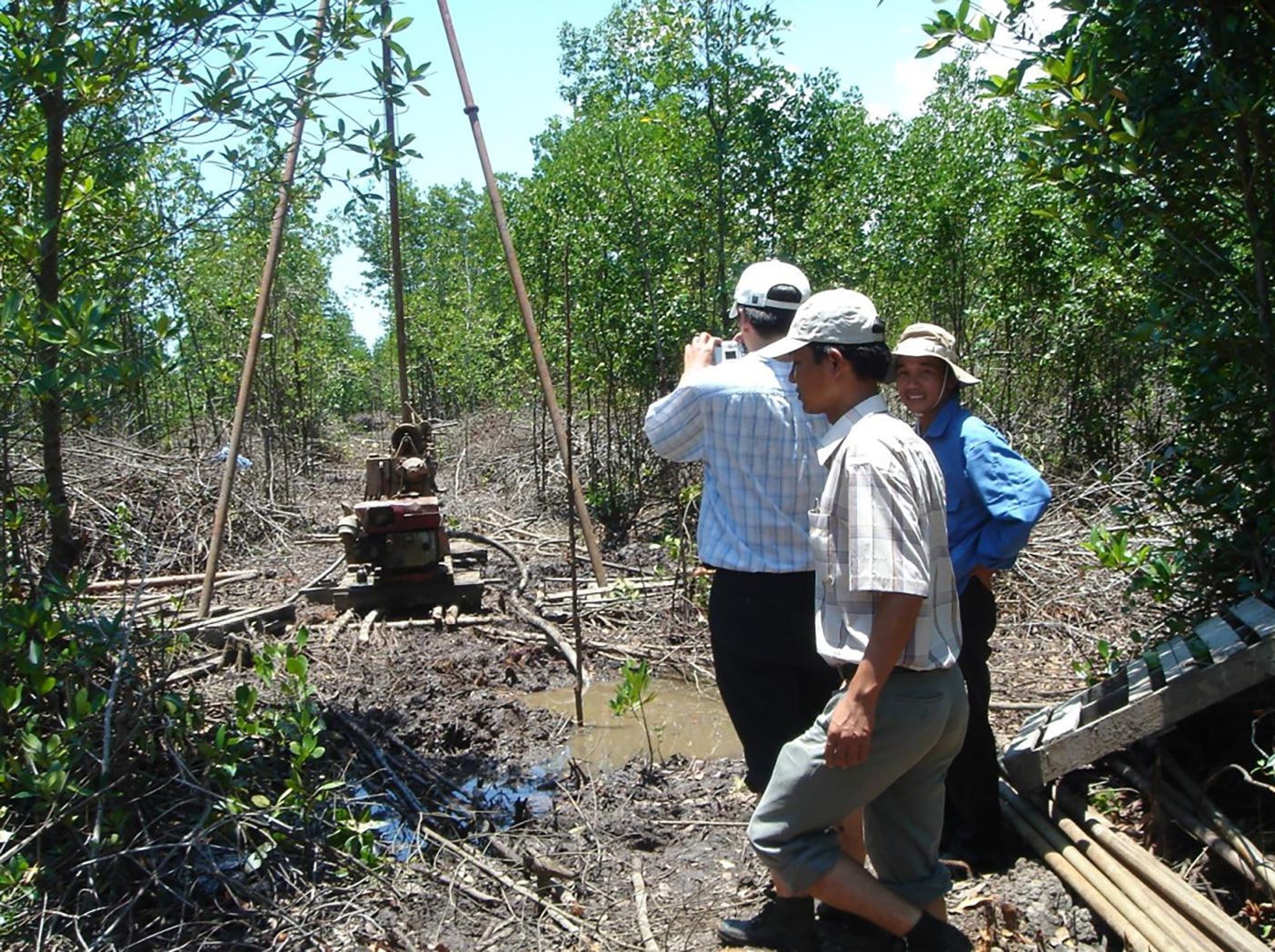
Portcoast conducts geotechnical drilling and surveys for the site of the Saigon Port - SSA International Container Terminal.
In August 2005, after the detailed Cai Mep–Thi Vai plan was approved by the Prime Minister, the area quickly became a focal point for domestic and foreign investors. With strategic vision, the then Director General of Saigon Port, Mr. Le Cong Minh, proactively invited leading global shipping lines and port operators to cooperate and invest. At the same time, Saigon Newport Corporation also expanded international cooperation, implementing projects to build capacity for receiving large-tonnage vessels in the region. Later, in 2019, Cai Mep Gemadept - Terminal Link Joint Stock Company broke ground on the largest-scale deep-water container port project in Vietnam here.
The story of Cai Mep–Thi Vai remains a remarkable feat to this day. Having once trudged through muddy swamps to survey and plan the port cluster, Mr. Pham Anh Tuan, CEO of Portcoast, still vividly remembers those difficult days: “Back then, there was no road into the area; staff traveling from Ho Chi Minh City often had to go by canoe. By 2008, when construction began on the Cai Mep International Terminal, the groundbreaking ceremony even had to be held on a ship anchored midstream. Even after Thi Vai International Port was completed, the connecting road behind it was still under construction...”.

The Thi Vai River viewed from the sea inlet.
Few could imagine that just two decades ago, this vibrant area was nothing more than pristine melaleuca forests and untouched mangrove wetlands...
...to a state-of-the-art deep-water port complex
After two decades of methodical progress, a modern deep-water port cluster has formed along the Thi Vai–Cai Mep River, ranking 32nd in the world in terms of container throughput and 7th globally for operational efficiency. Notably, after two years of trials, the Ministry of Construction approved Gemalink International Port to receive container ships of over 232,000 DWT (light-loaded), officially placing Cai Mep–Thi Vai among the 21 seaports worldwide capable of welcoming megaships (ultra-large mother vessels).

The Ministry of Construction approved Gemalink International Port to receive container ships of more than 232,000 DWT (light-loaded).
According to Mr. Simon Farhat, CEO of Gemalink International Port, the channel and initial infrastructure invested by the State laid a solid foundation for the port cluster’s development. Gemalink, in particular, after being approved for expansion, has the world’s largest quay cranes and can receive 250,000 DWT container ships (around 24,000 TEU). Many major shipping lines have approved direct services from Cai Mep to Europe, Africa, and the United States using megaships, opening up new growth potential for the entire region.
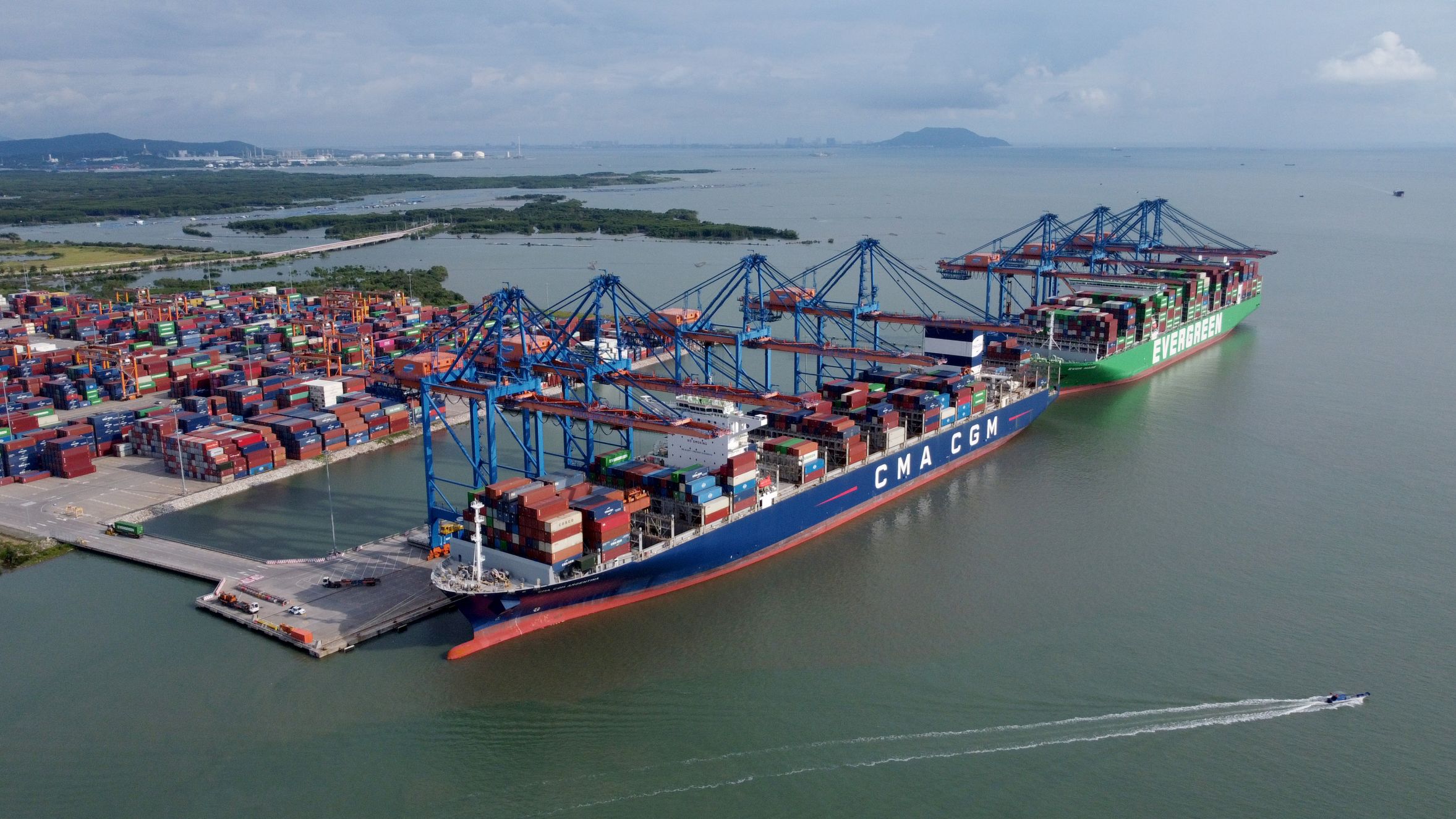
Gemalink International Port is located right at the mouth of the Thi Vai River.
Analyzing the success of Cai Mep–Thi Vai, Mr. Pham Anh Tuan believes that, first, it comes from the planning vision of the Government, the Ministry of Transport (now the Ministry of Construction), and the Vietnam Maritime Administration (now the Vietnam Maritime and Waterway Administration) in selecting Cai Mep–Thi Vai as a national gateway port cluster. Second is the relocation of inner-city ports in Ho Chi Minh City and the construction of an entirely new deep-water port area capable of receiving mother vessels without transshipment. This was a forward-looking vision aligned with the global trend of container fleet “upsizing.” Third is the policy of “socializing” investment: the State focuses its budget on core infrastructure that the private sector cannot do on its own, while also building the first two port terminals. This was a strong commitment to “roll out the red carpet” to attract waves of investment to Cai Mep–Thi Vai.
“The socialization policy for port investment is the key factor that unlocked private resources and attracted international ‘eagles.’ But for those ‘eagles’ to fly and land safely, long-term planning vision and persistent policies to invest in public infrastructure paved the way for that remarkable rise,” Mr. Tuan assessed.
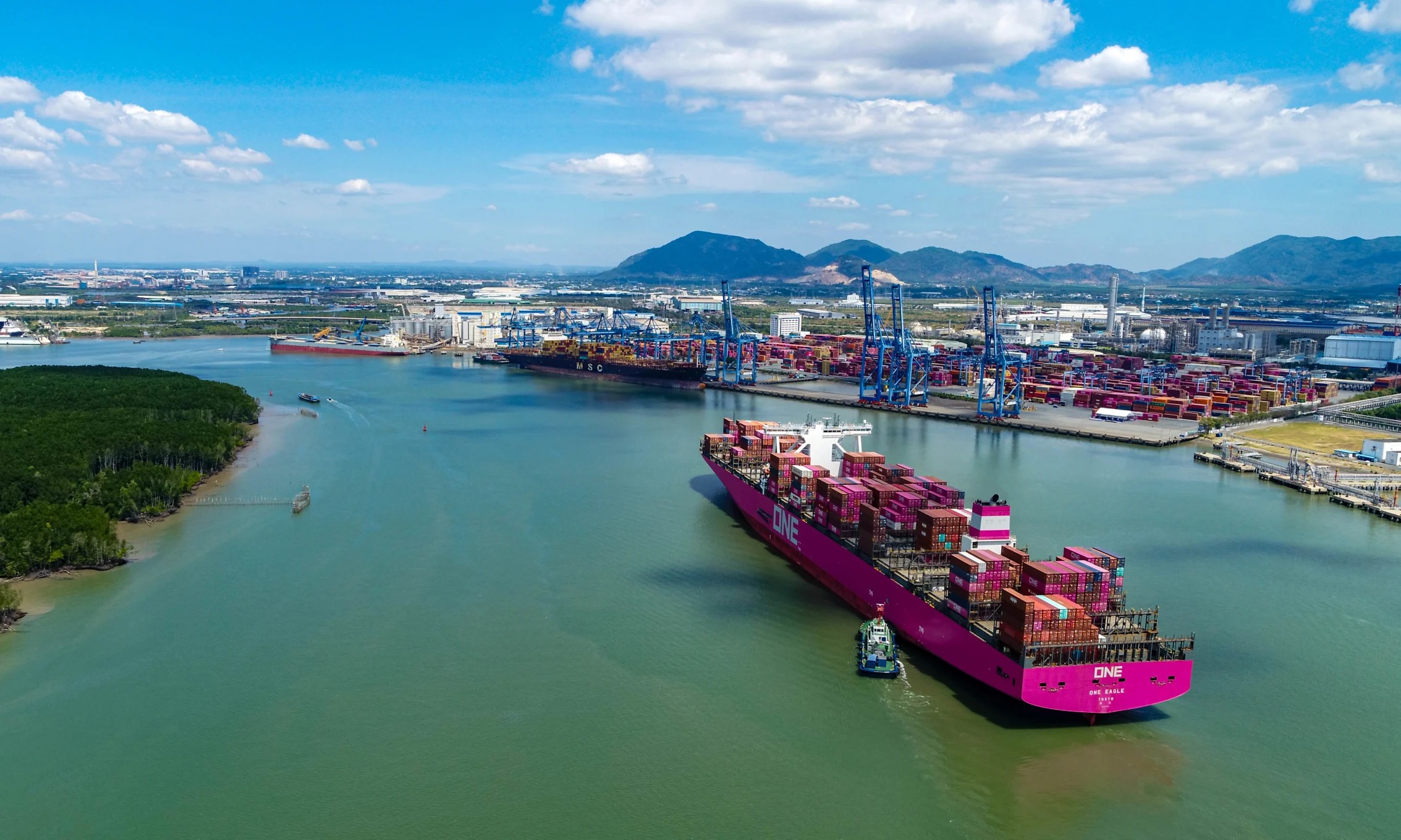
Anticipating the global trend of container-fleet upsizing.
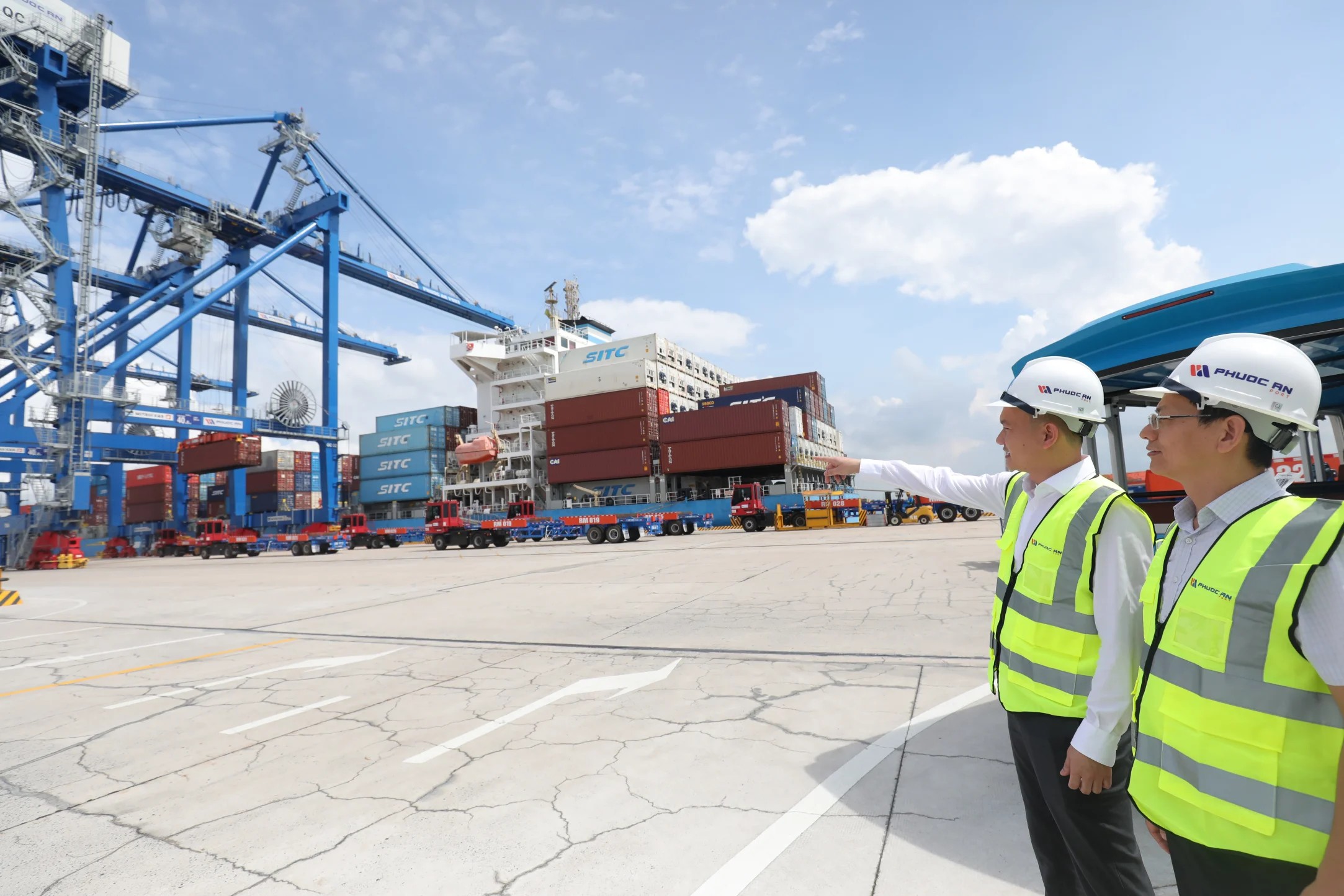
Cai Mep - Thi Vai is one of the modern sea gateways of the southern region.
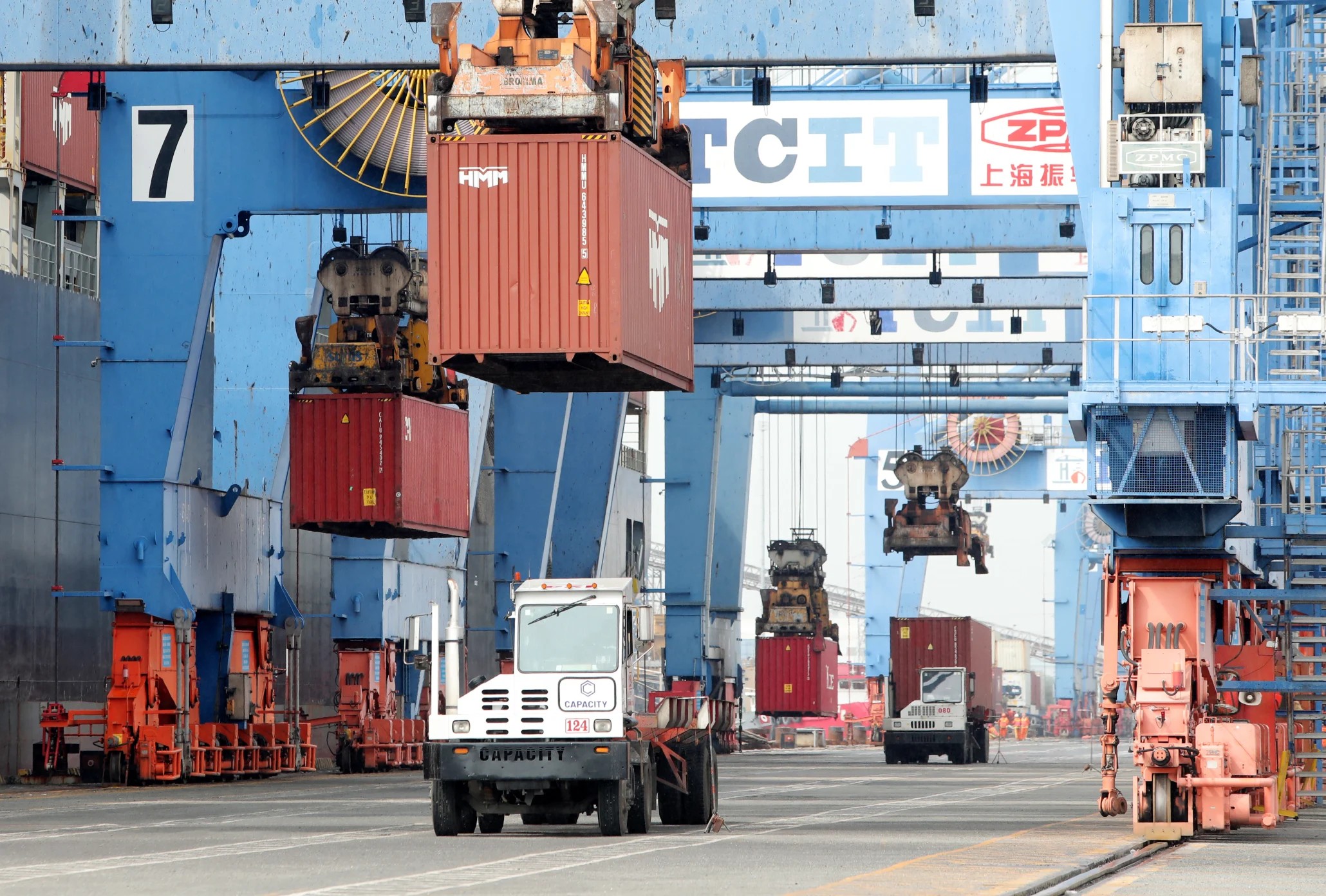
Container handling at Tan Cang - Cai Mep International Terminal.
The guiding efficiency of public capital
In the maritime sector, one unit of State capital, if placed in the right place at the right time, can “pull” in ten units of private capital. Similarly, at Lach Huyen (Hai Phong), after the State invested in the channel, breakwaters, and shared infrastructure, socialized investment was immediately activated.
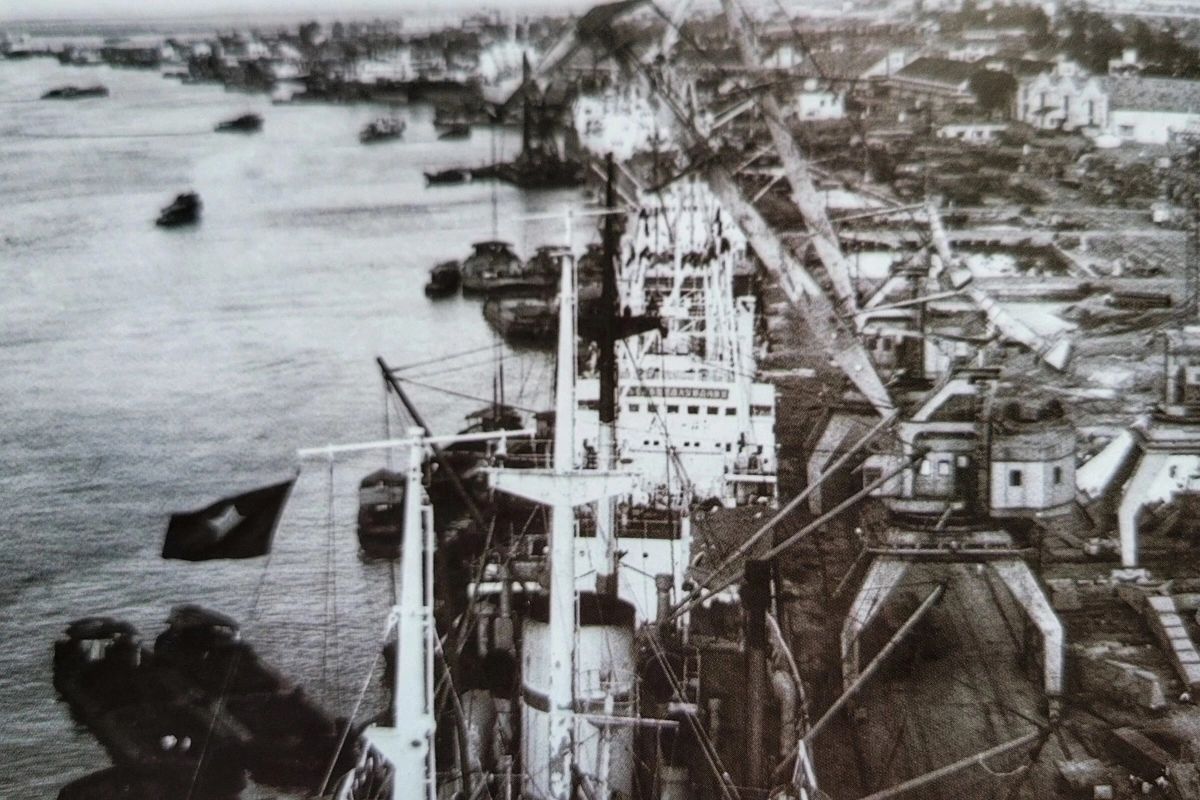
Hai Phong Port in 1976, when the country was fully reunified. (Archive photo)
From a tidal flat area with a rudimentary embankment, the site has built the first six deep-water berths capable of receiving container ships sailing directly on Europe–US routes. According to the plan, the total investment demand for Hai Phong’s seaports by 2030 is 78,028 billion VND, of which the state budget accounts for only 15%, with the remainder mobilized from other economic sectors.
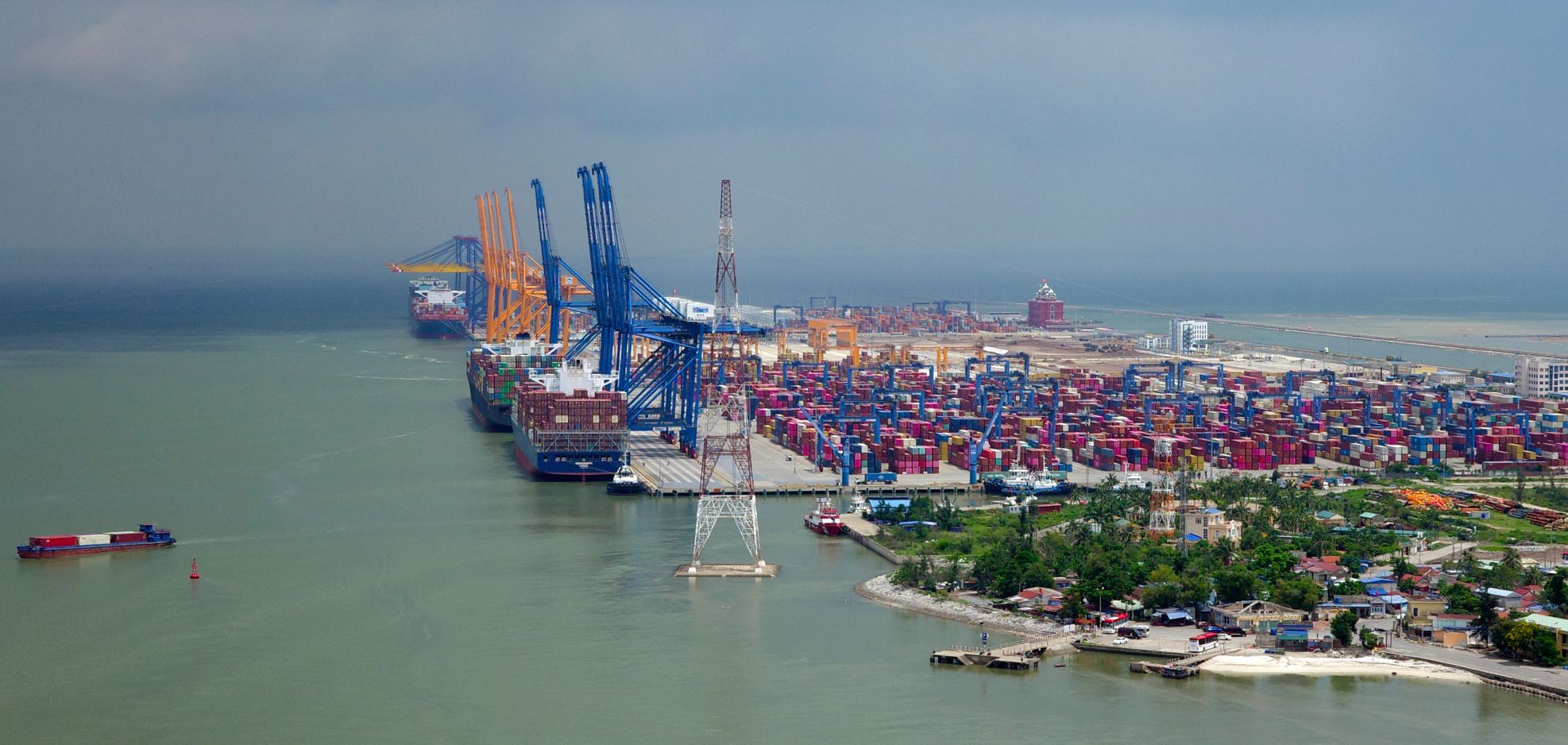
Lach Huyen deep-water port (Hai Phong).
Or take the Lien Chieu Port project (Da Nang): since 2022, the State has invested 3,400 billion VND in shared infrastructure, expecting to attract private-sector participation in developing 14 container berths with an estimated total investment of 48,300 billion VND.
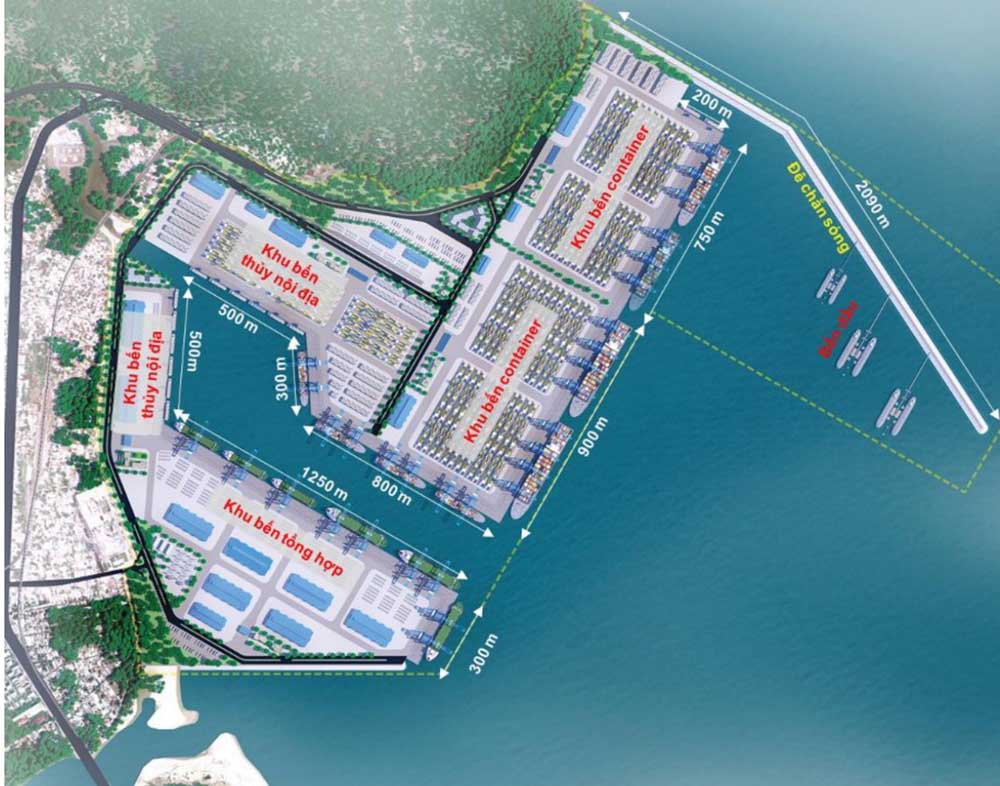
Planning for the Lien Chieu port berths (Da Nang).
In recent times, leading global port operators such as DP World (UAE), PSA (Singapore), APMT (Denmark), Hutchison Port Holdings (Hong Kong (China)), SSA Marine (USA)… along with major shipping lines such as CMA CGM, MOL, Wanhai... and many domestic enterprises such as Saigon Newport Corporation, Gemadept, and Vietnam Maritime Corporation have been key players contributing capital, technology, and global customer networks to the development of the entire industry.
Sharing about the “State as enabler – Private sector investing” model, Director General of the Vietnam Maritime and Waterway Administration Le Do Muoi said that since 2005, when the amended Maritime Code took effect, the State shifted its focus to planning and investing in essential public infrastructure, while creating an open and stable policy environment to attract investment. To date, more than 90% of seaport infrastructure has been developed from non-budget resources. Private-funded projects have played an important role in transforming the national seaport system. This will continue to be a driving force in the new period, especially as the implementation of Resolution 68 recognizes the private economy as one of the pillars of development.
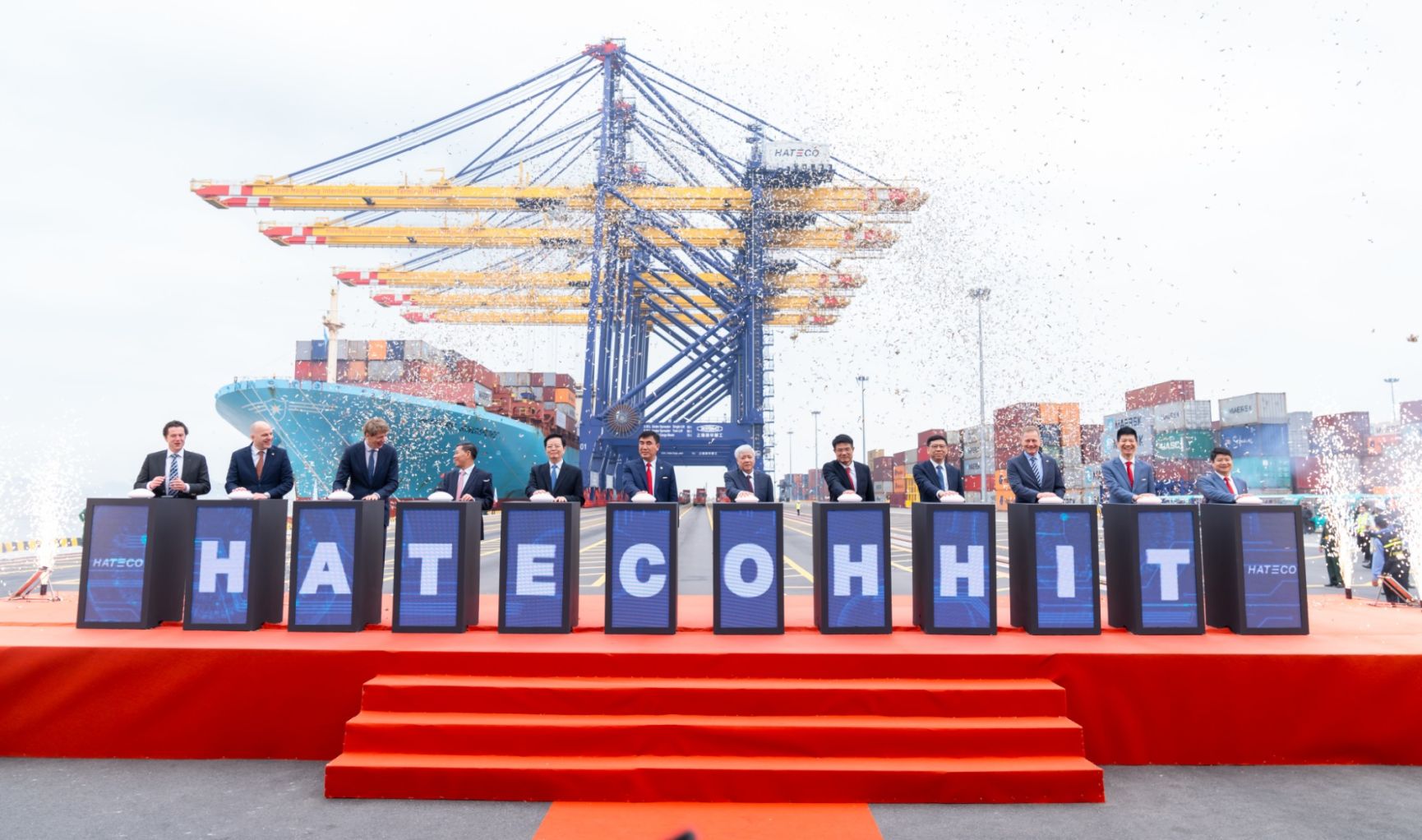
Inauguration of the Hateco Hai Phong International Container Port.
Resolution 36-NQ/TW has placed the maritime economy among priority groups, considering the seaport system a strategic national connectivity axis. Former Deputy Minister of Transport Nguyen Nhat commented that, to date, the legal framework for attracting investment in the seaport sector has been built relatively comprehensively and continuously improved. From the Maritime Code issued in 1990, amended in 2005 and 2015, to the recently updated national seaport development plan, all have realized the policy of mobilizing all resources and encouraging private investment. Deepening integration through free trade agreements will continue to strongly open the way for private capital and FDI to participate in port infrastructure development, creating a solid foundation for the goal of helping Vietnam reach out to the wider seas.
In the 2011–2020 period alone, the maritime and inland waterway sectors mobilized more than 274 trillion VND, of which off-budget capital accounted for up to 85%, becoming a standout highlight compared to other infrastructure sectors. Vietnam has formed 320 port berths with more than 100 km of wharf length, including 3 ports in the list of the world’s top 50 container ports by throughput.
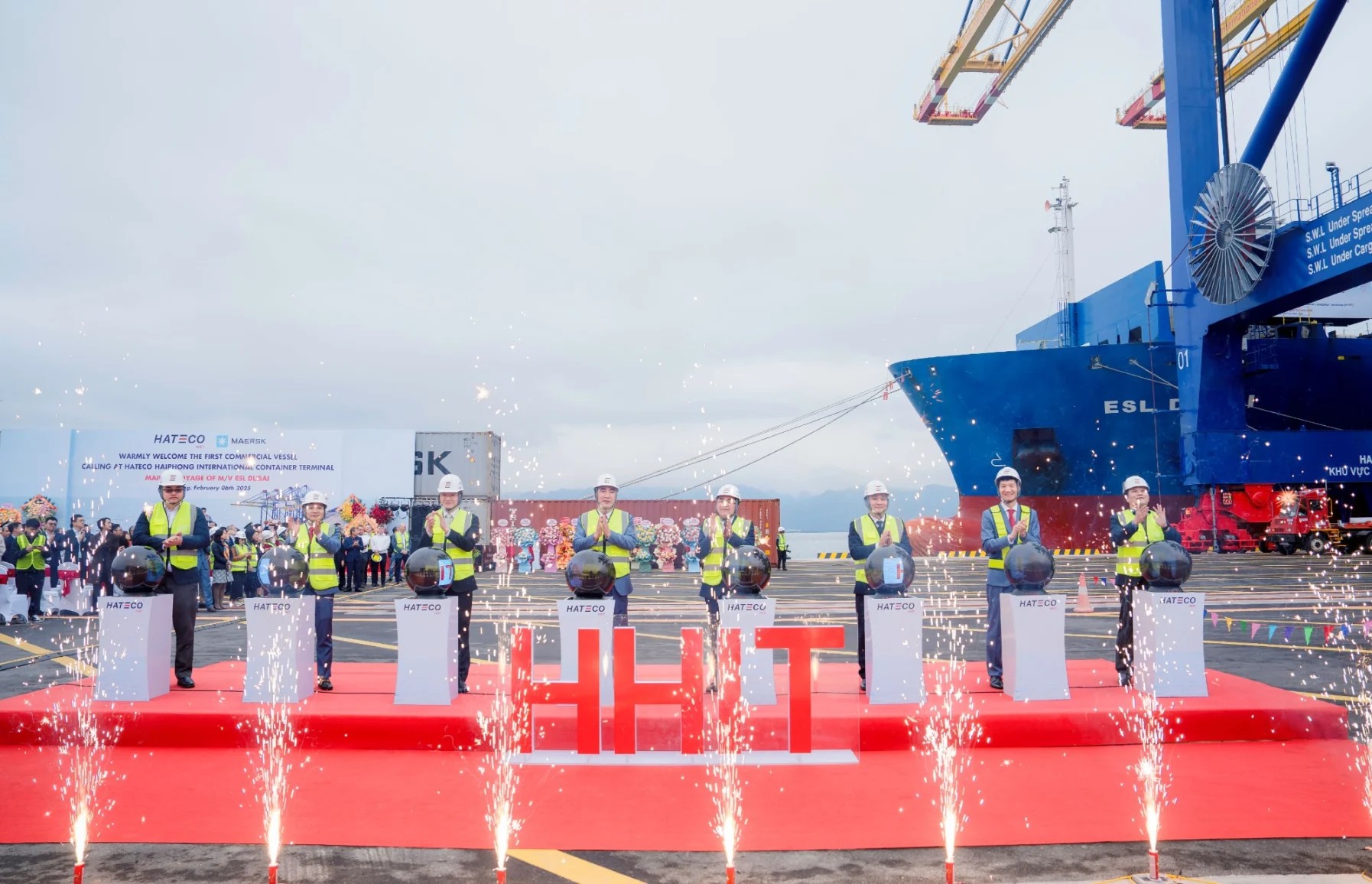
Ceremony welcoming the first commercial vessel at the Hateco terminal (Lach Huyen port cluster).
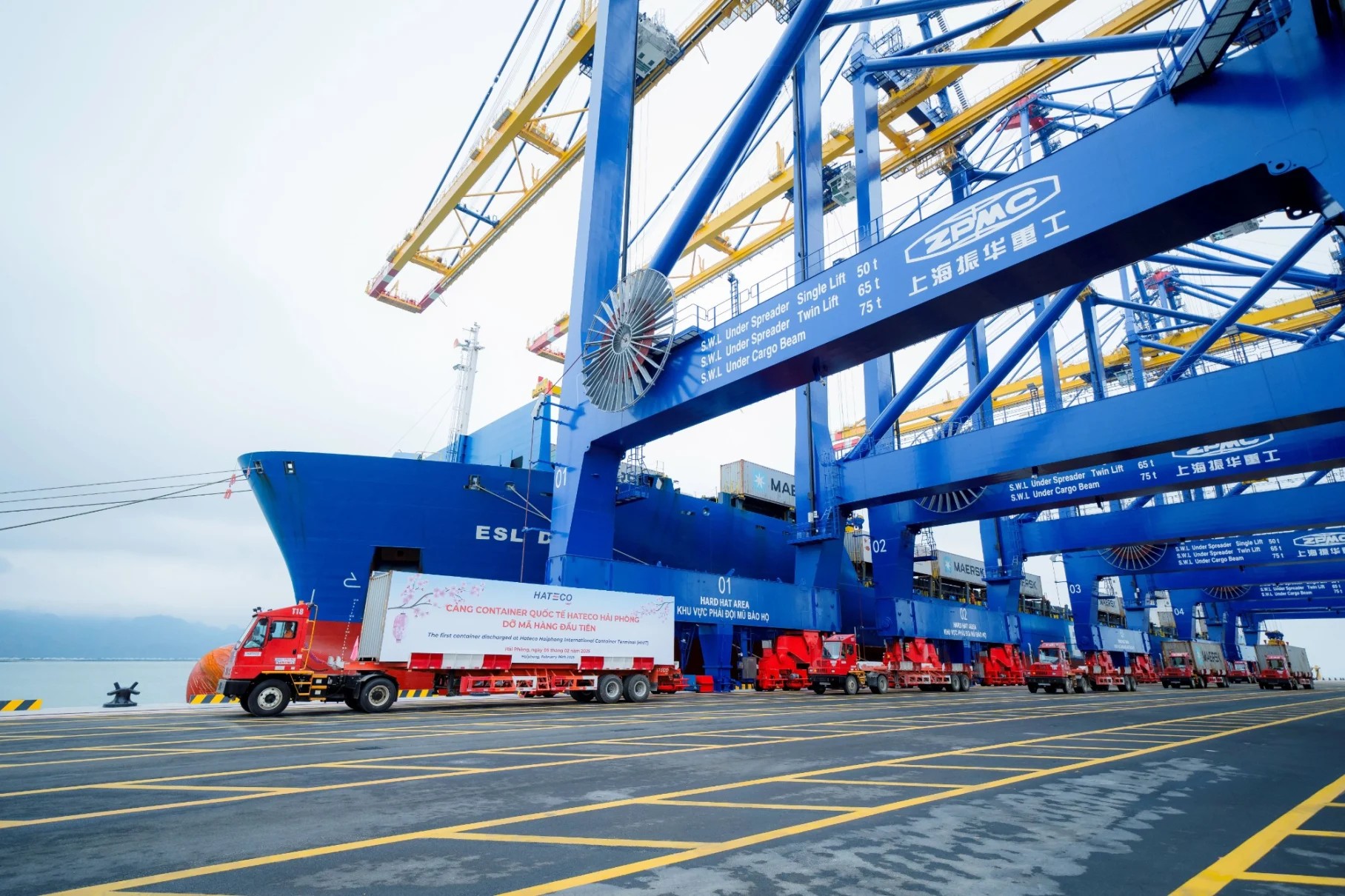
Ceremony welcoming the first commercial vessel at the Hateco terminal (Lach Huyen port cluster).
Publication date: 22/12/2025
Implementing organization: Ngoc Thanh - Thanh Phong
Content: Thai Linh, Khieu Minh
Design/Layout: Ngo Huong
Source: nhandan.vn
Pageviews: 0
Turning Data into Vision: Portcoast’s Digital Twin Journey with Esri
By www.esri.com - 22/12/2025
Turning Data into Vision: Portcoast’s Digital Twin Journey with Esri "...
Portcoast Shaping the Vision for Cai Mep Ha FTZ: Paving the Way for Ho Chi Minh City’s Acceleration and Regional Ascent
By nld.com.vn - 09/12/2025
The amendment of Resolution 98/2023 is considered a decisive step for ...
Portcoast: Da Nang’s Historic Opportunity to Become a Leading International Logistics and Trade Hub
By www.vietnam.vn - 28/11/2025
Da Nang is standing before a historic opportunity to transform into a ...